Designing between craft and scale
My practice explores what happens when the values of craft meet the realities of contemporary production. Across product development, prototyping, manufacturing, and systems design, I look for ways to preserve the qualities that make objects meaningful while making them viable in the world.
I believe the best products are not designed in isolation. They emerge from relationships between people, materials, processes, places, and the systems that bring them into being.
-
We're a team of passionate thinkers and doers, dedicated to building with purpose and clarity. Collaboration and curiosity drive everything we do.
-
We believe in keeping things simple, smart, and human. Every project starts with listening and ends with something we're proud to share.
-
From startups to seasoned brands, we partner with people who care about doing things right—and doing them well.
Designing between craft and scale
My practice explores what happens when the values of craft meet the realities of contemporary production. Across product development, prototyping, manufacturing, and systems design, I look for ways to preserve the qualities that make objects meaningful while making them viable in the world.
I believe the best products are not designed in isolation. They emerge from relationships between people, materials, processes, places, and the systems that bring them into being.
logo
LOGO
logo
logo
Logo
LOGO
Reintroducing humanity into our systems & services
My work spans slow manufacturing, craft-based production, sustainable product development, and design for scale. Across each, I ask how products and the systems surrounding them can create lasting value for the people who make them, the communities they serve, and the materials they depend on. For me, sustainability is not simply about reducing impact. It is about designing products people value enough to sustain.
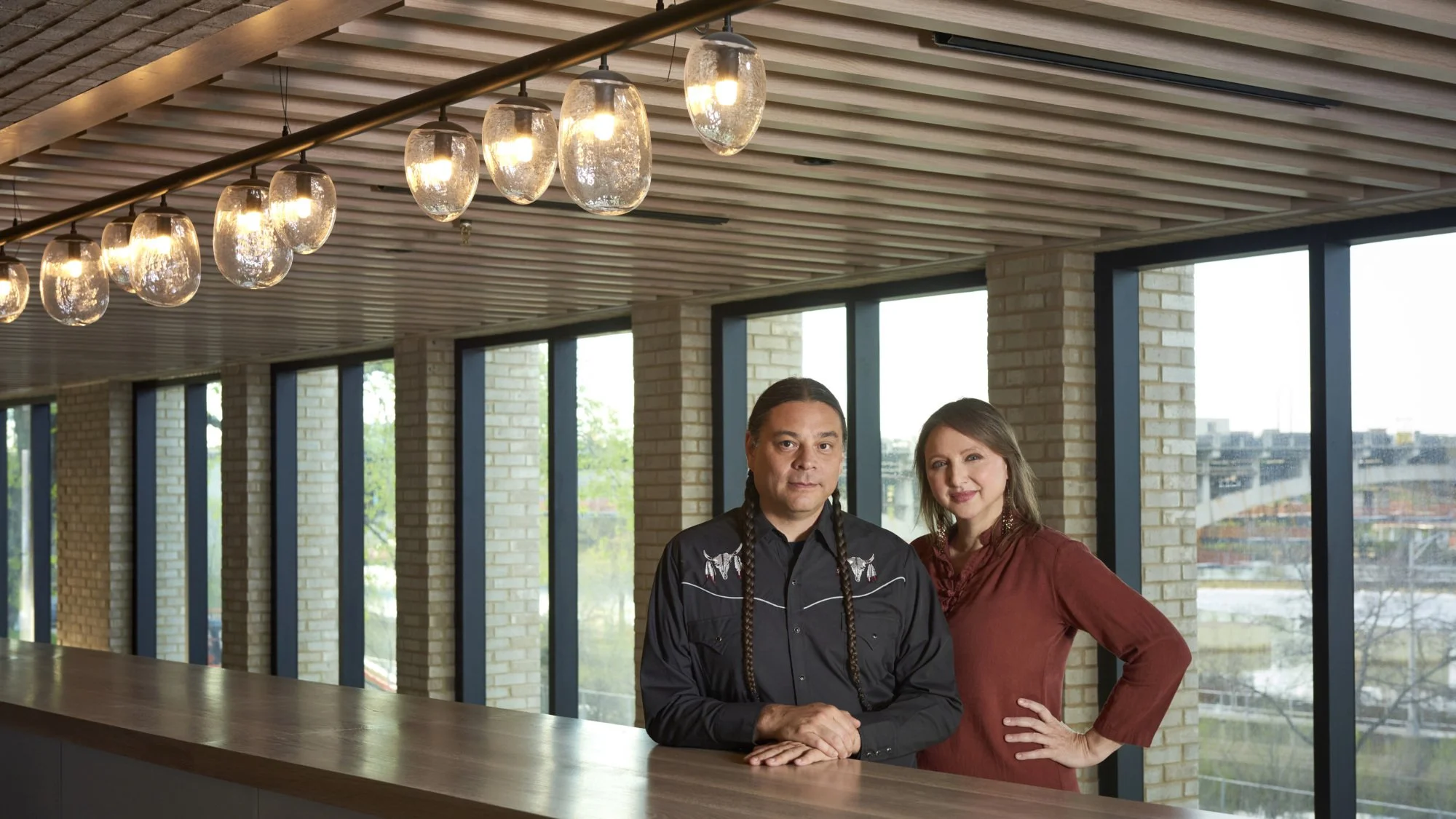
Owamni by Sioux Chef
Waterworks Pavilion, Minnesota
Full custom lighting development for Hennepin Made. The restaurant received international acclaim, including features in The New Yorker, NPR, Chicago Tribune, BBC, and Vogue.
Designing climate values into the physical experience
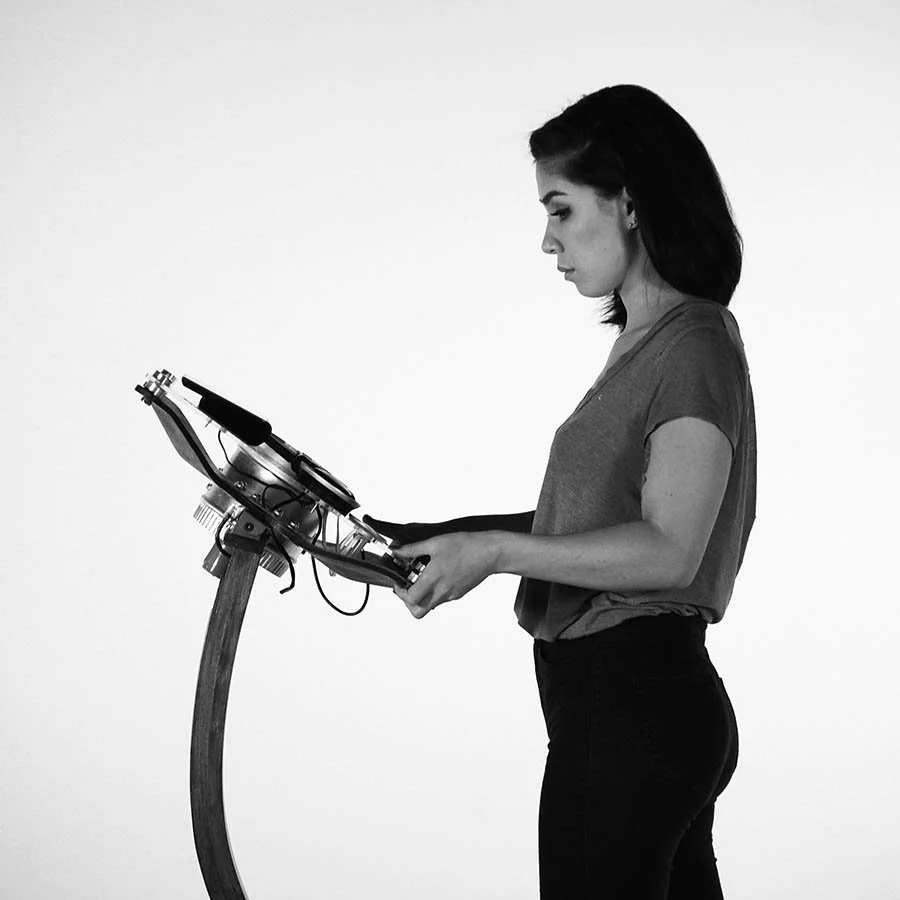
When climate-tech company 75F needed a way to showcase its novel technology at trade shows, the original brief called for a simple folding table—an inexpensive solution designed to be discarded after use. I saw an opportunity to make the exhibition experience reflect the same values as the technology itself.
Using human factors, ergonomics, and design for reuse, I developed a modular system of armatures and stands that improved how visitors interacted with the product while eliminating the need for a disposable display. The result transformed a temporary trade-show fixture into a more considered and well-crafted brand experience, demonstrating how even overlooked touchpoints can reinforce a company’s commitment to thoughtful, sustainable innovation.
75F has since been acquired by Carrier Global Corporation on July 23, 2026, a global leader in intelligent climate and energy solutions, further enabling opportunities to optimize energy consumption for more sustainable (and smart) buildings at scale.
Designing the systems that sustain craft
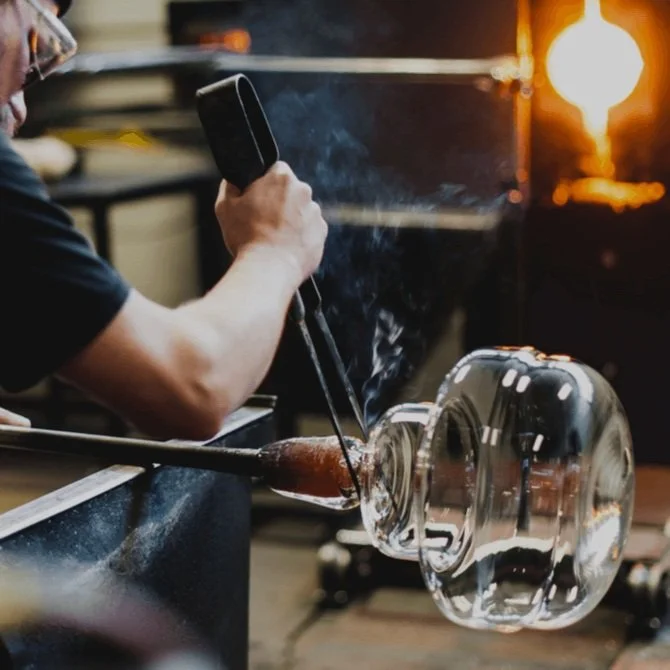
At Hennepin Made, every object begins with the knowledge and skill of a craftsperson. When I joined the studio in 2018, preserving that quality meant thinking beyond the objects themselves to the systems, workflows, and services that made their production possible.
Working at the intersection of design, operations, and craft, I identified opportunities to improve service delivery and production processes while respecting the time, labor, and expertise of the studio’s glassblowers. The work reinforced a principle that continues to shape my practice today: sustaining craft requires designing not only desirable objects, but the conditions that allow skilled people, materials, and traditions to retain their value over time.
Scaling customization without standardizing craft
For a craft-based studio, customization poses a unique challenge: how do you meet the needs of individual spaces without turning handcrafted products into standardized commodities? At Hennepin Made, I helped bridge bespoke design and repeatable production, adapting existing products into site-specific lighting solutions while preserving the character of the studio’s handblown glass in 2019.
I managed projects from RFQ and client communication through sourcing, development, production handoff, quality control, and installation documentation. By working within a tiered system of custom arrangements, modifications, and fully custom products, we could offer greater creative flexibility while matching design effort to production capacity—making customization more scalable without losing what made the work distinctive.
Translating cultural vision through craft
For Owamni, I led the product development of a custom lighting installation for a space centered on Indigenous foodways, culture, and place. Working within the creative vision previously conceptualized for the restaurant by the architecture and engineering firm HGA, I translated the concept into a manufacturable system, leading fixture configuration, prototyping, engineering coordination, sourcing, fabrication handoff, installation planning, and resolving production constraints.
Working within Hennepin Made’s locally made ethos, the project required balancing design intent with the realities of materials, craft, architecture, and fabrication. It reinforced a principle that continues to shape my practice: thoughtful product development is an act of translation, bringing together the intentions of designers, the knowledge of craftspeople, and the constraints of production to make ambitious ideas physically possible. Check out the feature on the making-of in Hennepin Made’s blog here.
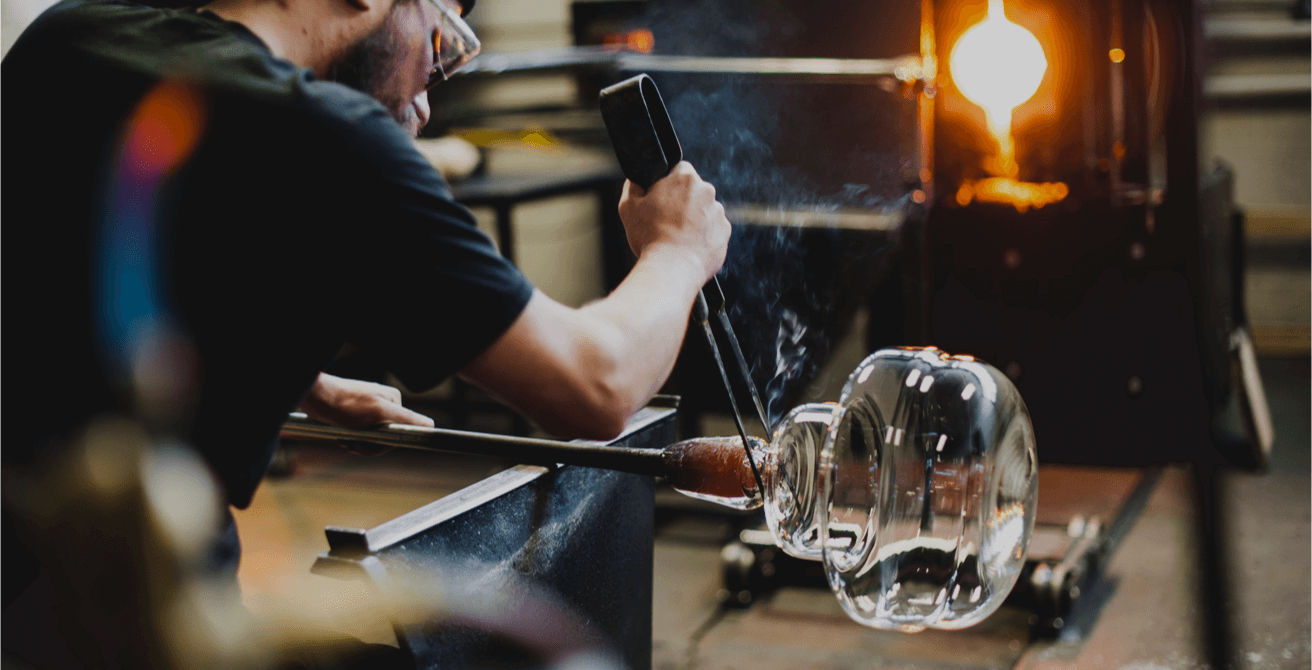
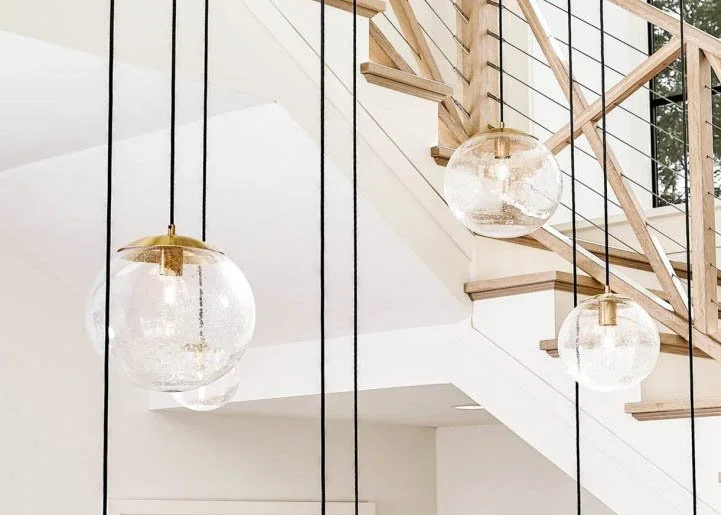
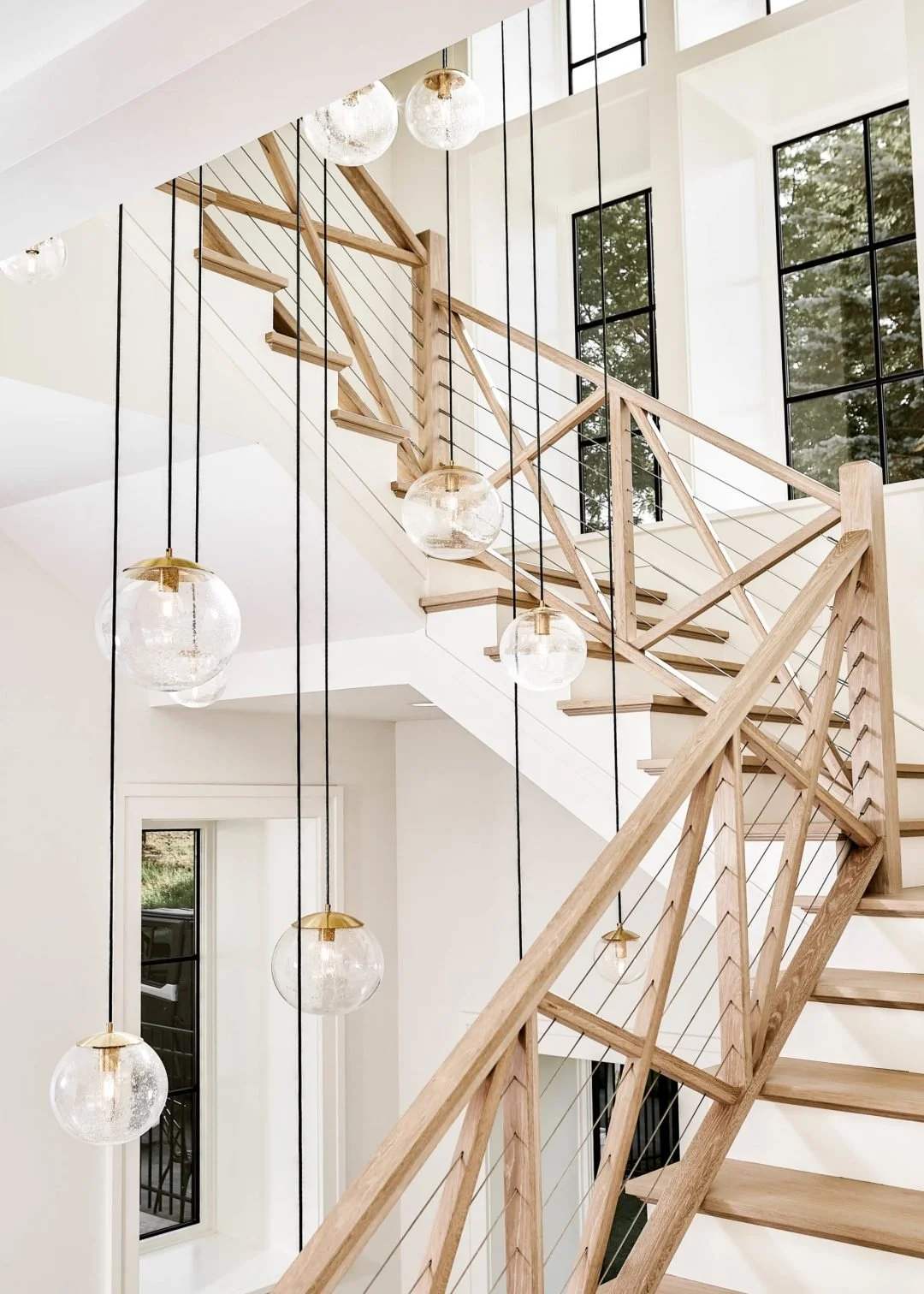
A modified custom chandelier arrangement for Hennepin Made, Humbolt Collection.
Who We Are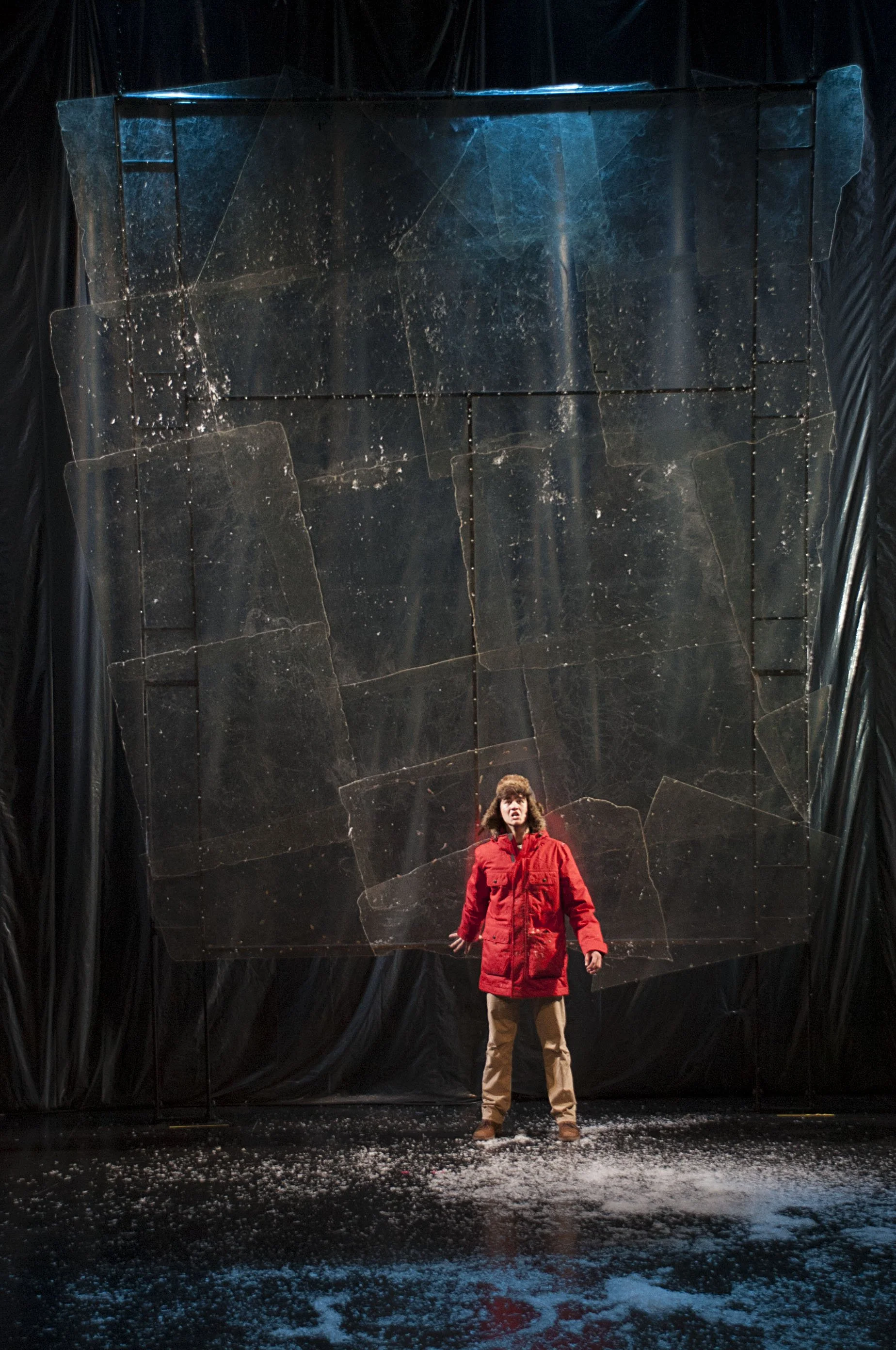
Before I designed products and systems, I designed worlds and figured out how to build them.
Foundations in making
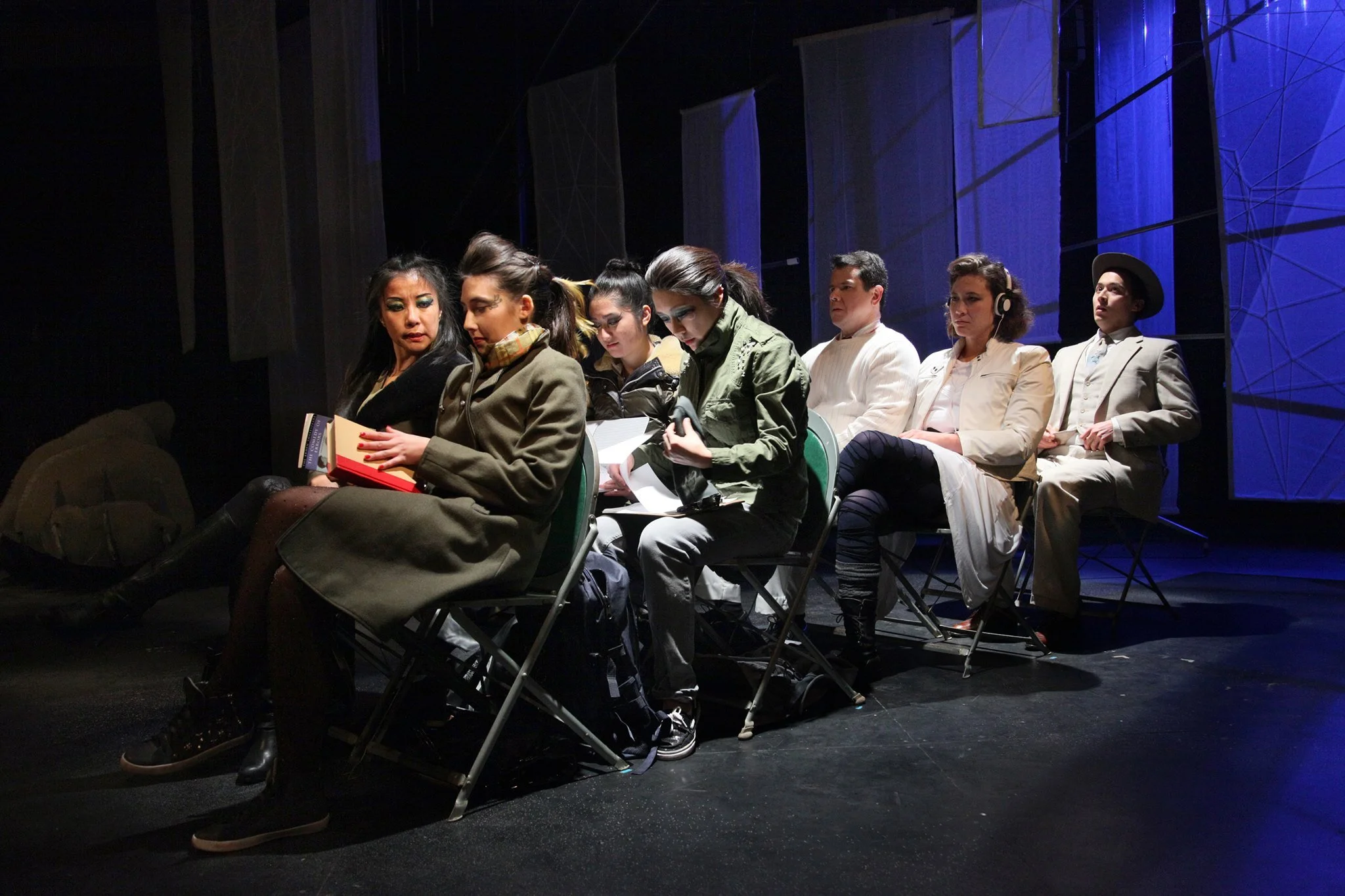
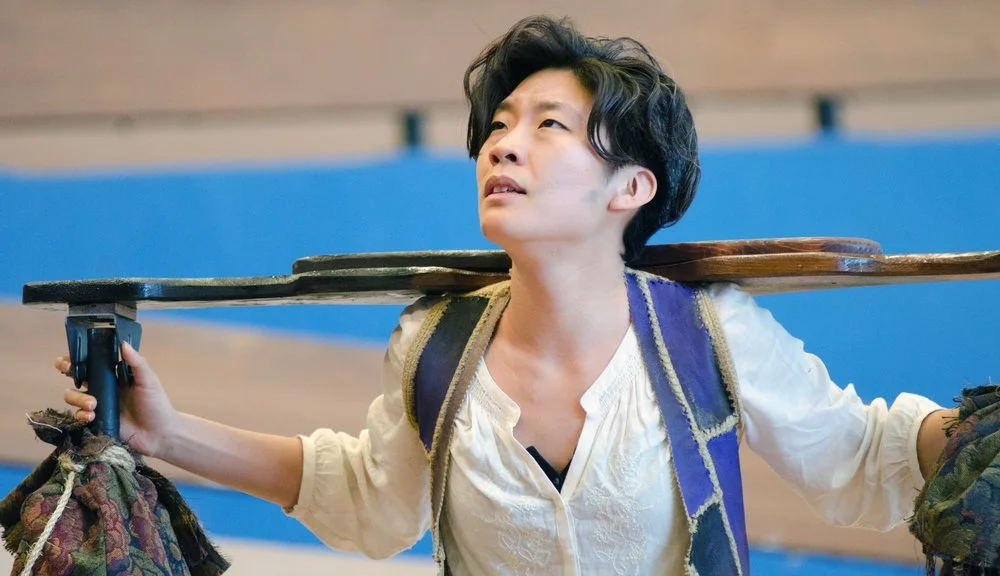
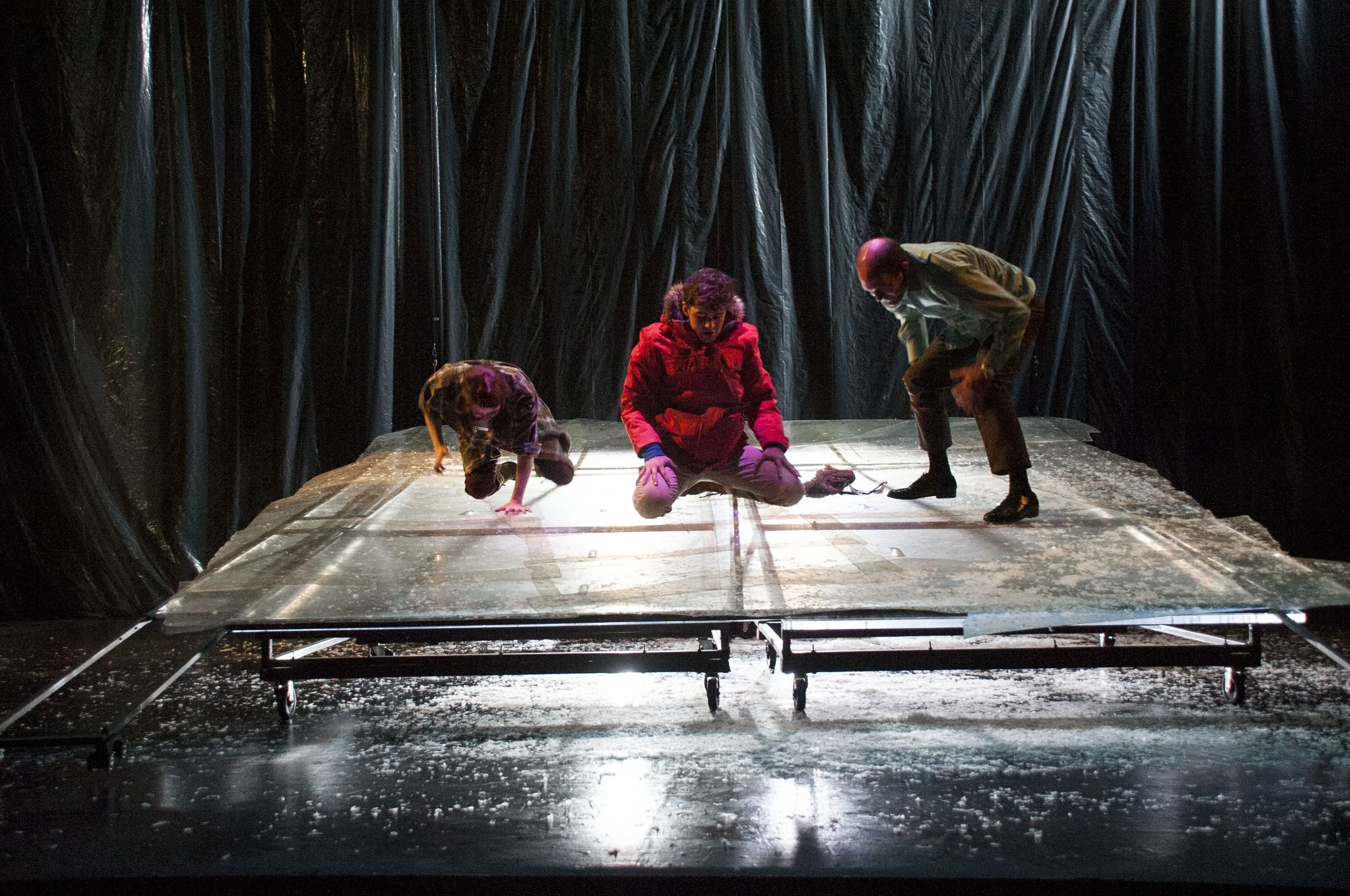
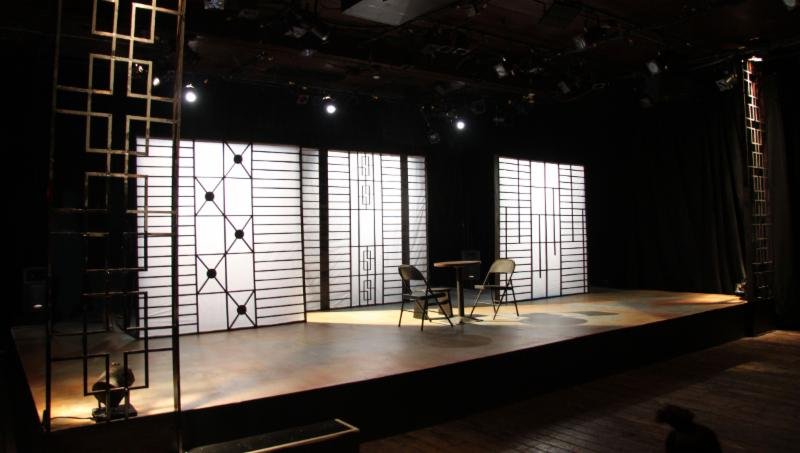
Before moving into product design, I built a recognized practice as a scenic designer and technical director, with work featured in the Star Tribune, Pioneer Press, Cherry & Spoon, and Twin Cities Daily. My work has also received critical academic acclaim in Douglas E. Green’s journal article “Review: A Local Habitation and a Name: The Twin Cities Shakespeare Season 2014-2015” in The Shakespeare Bulletin.
Working across both creative and technical roles taught me to move fluidly between concept and execution, translating narrative into physical environments while solving the material, structural, budgetary, and fabrication challenges required to make them real.
Scenic design taught me to imagine. Technical direction taught me how to build. Together, they established a way of working that continues to shape my practice today: thinking through making, prototyping at full scale, collaborating across disciplines, and treating constraints not as limitations, but as opportunities for better design.

-
![]()
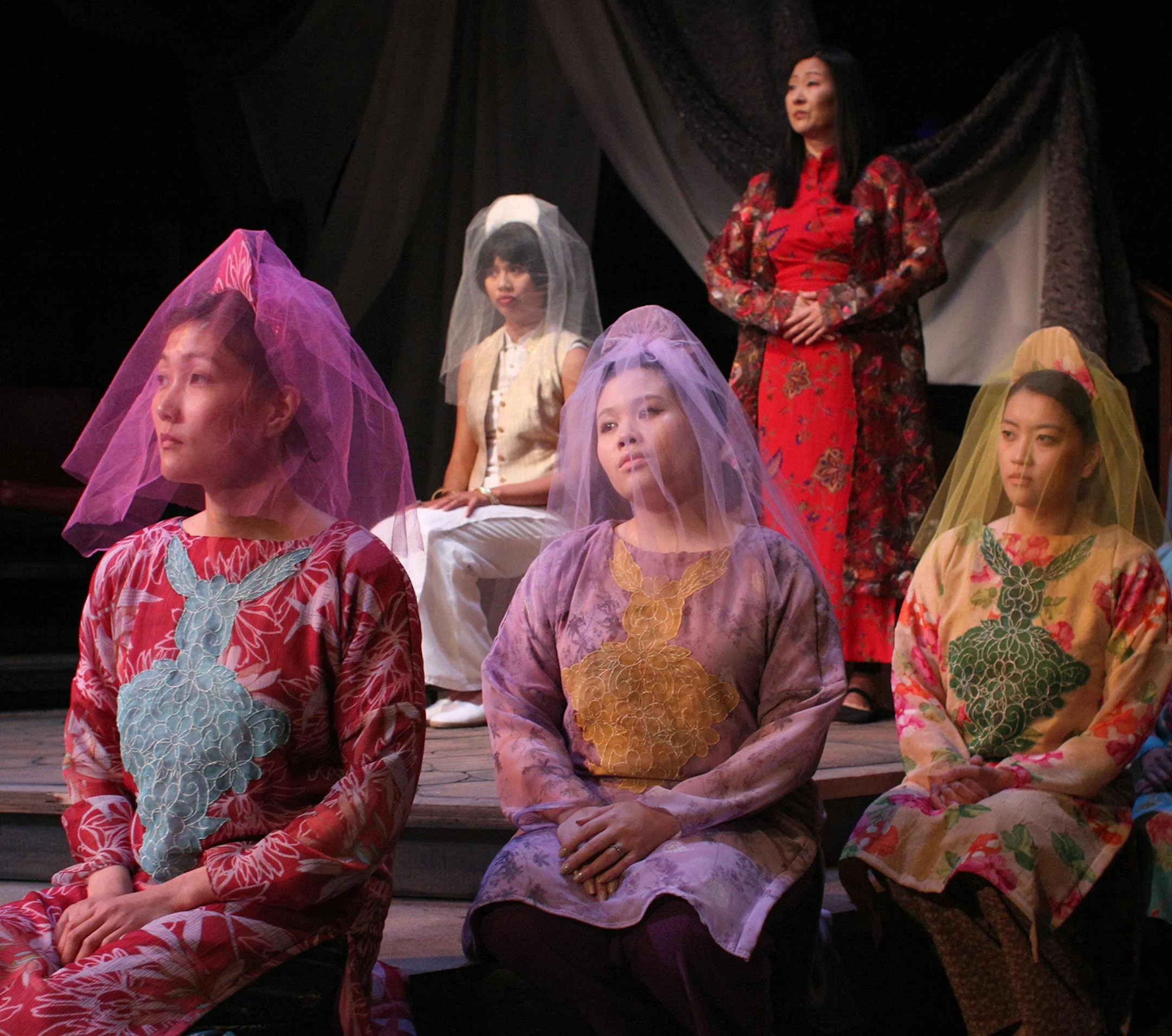
Purple Cloud
MIXED BLOOD THEATRE | THEATRE MU, 2015
Scenic Designer + Technical Director
Concepting · Fabrication · Prototyping · Technical development · Production leadership -
![]()
Electra
TEN THOUSAND THINGS THEATRE, 2017
Scenic, Props & Technical Designer
Concepting · Fabrication · Prototyping · Technical development · Props -
![]()
Lake Untersee
WORKHAUS COLLECTIVE | ILLUSION THEATER, 2014
Technical Director
Technical dev · Fabrication · Materials & sourcing · Budgeting · Production oversightAmerican Theatre Magazine | Broadway World | Cherry & Spoon | TC Daily Planet
-
![]()
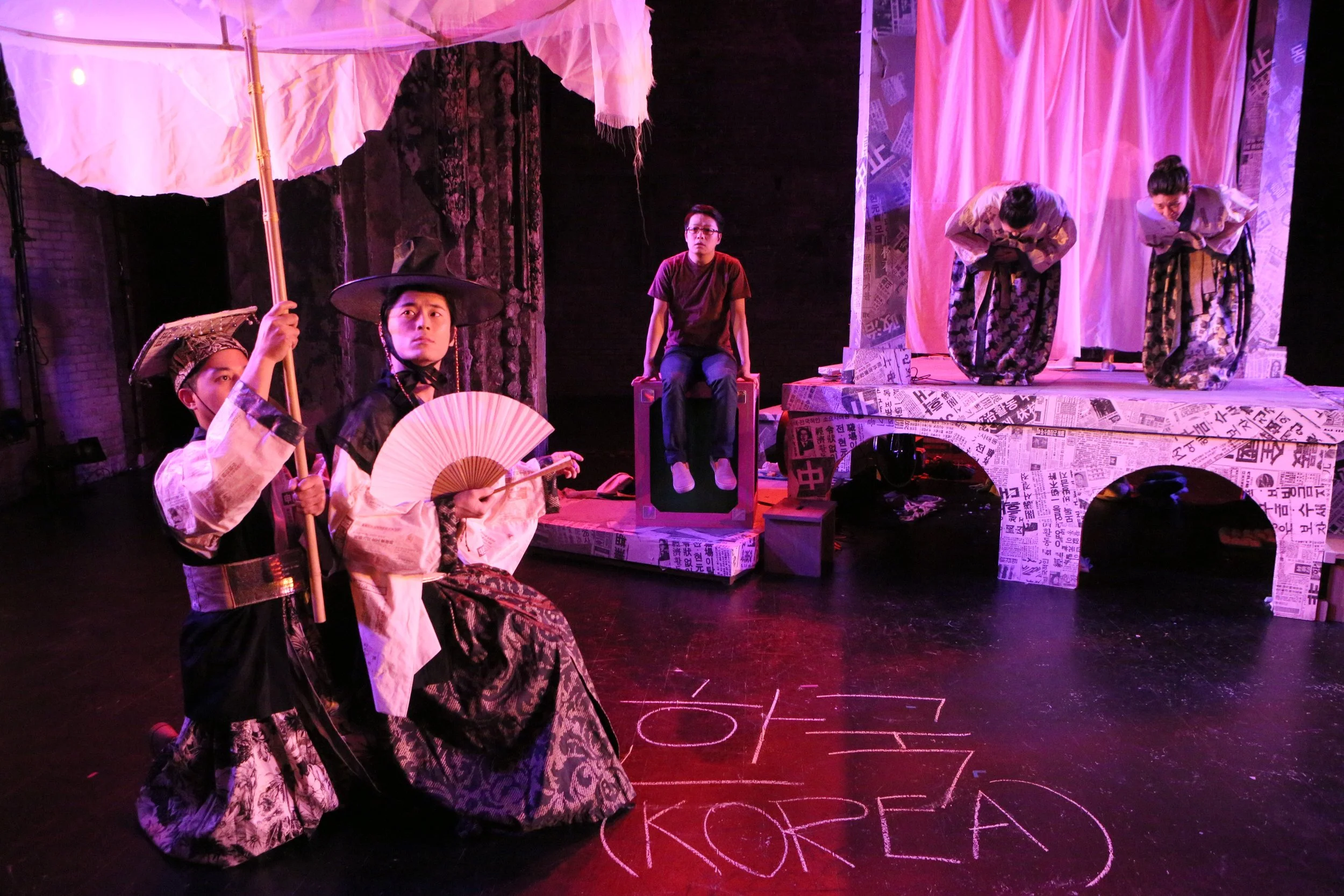
F.O.B. (Fresh Off the Boat)
MIXED BLOOD THEATRE | THEATRE MU, 2015
Technical Director
Technical dev · Fabrication · Materials & sourcing · Budgeting · Production oversight -
![]()
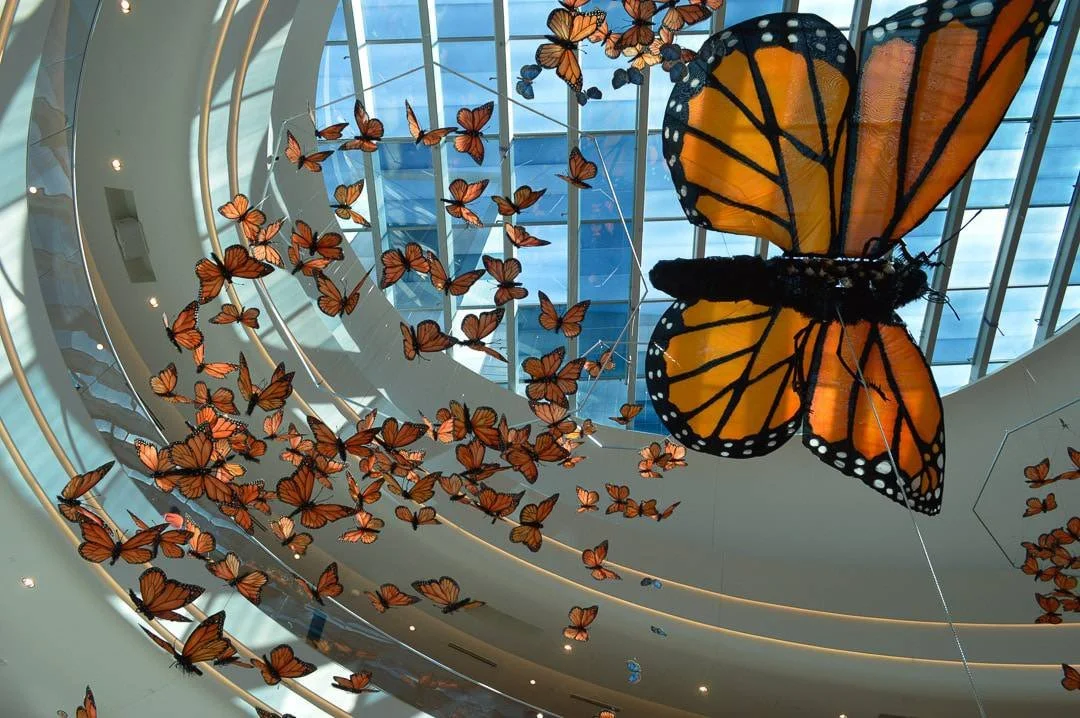
KALEIDOSCOPE @ the MOA
CHRIS LUTTER-GARDELLA, BIG ANIMAL PRODUCTIONS, 2019
3D Concept Designer
CAD Surfacing & Rendering · Drafting · Visual scripting · Installation documentationMall of America | MSP Magazine | Forecast Public Art | Americans for the Arts
-
![]()
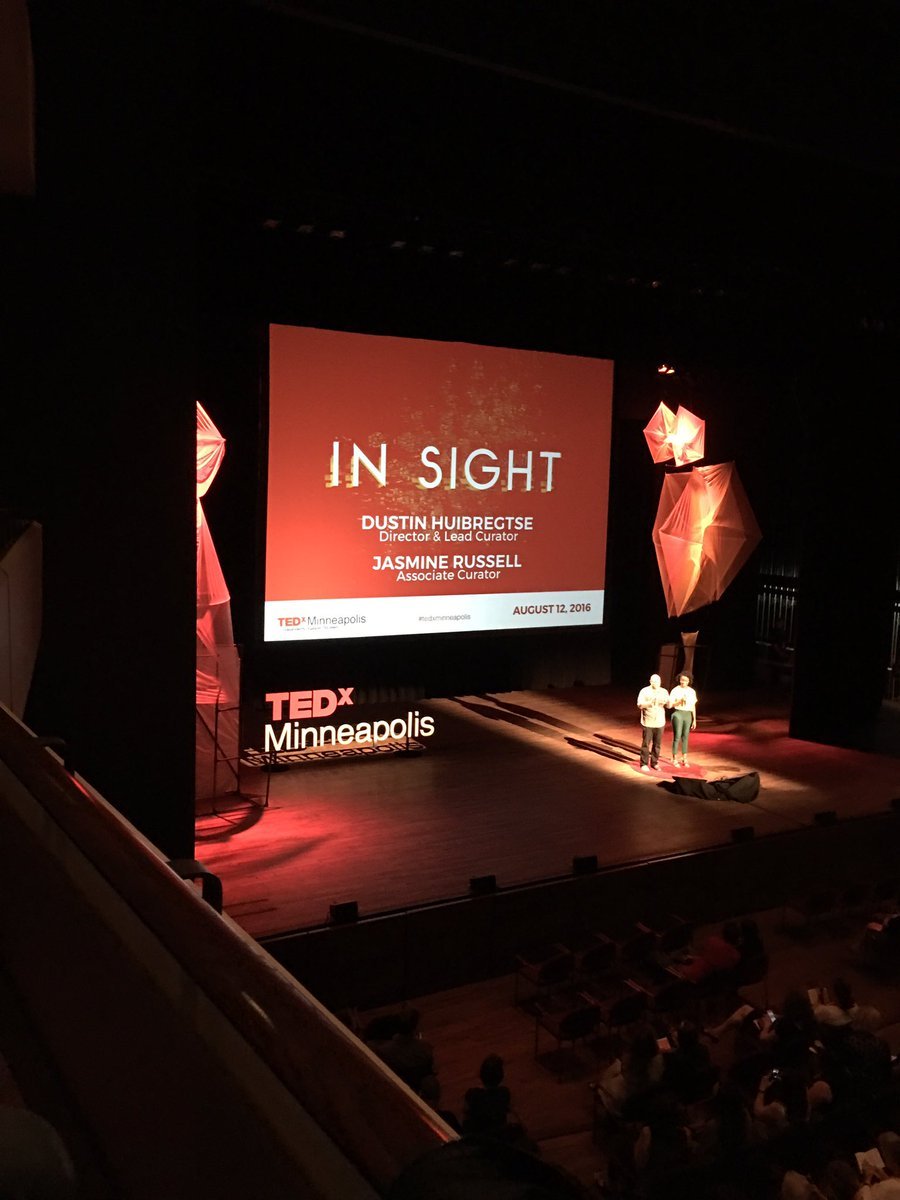
TEDxMinneapolis: In Sight
TED MANN CONCERT HALL | TEDxMINNEAPOLIS, 2016
Scenic Designer + Technical Director
Concepting · Fabrication · Prototyping · Technical development · Production leadership -
![]()
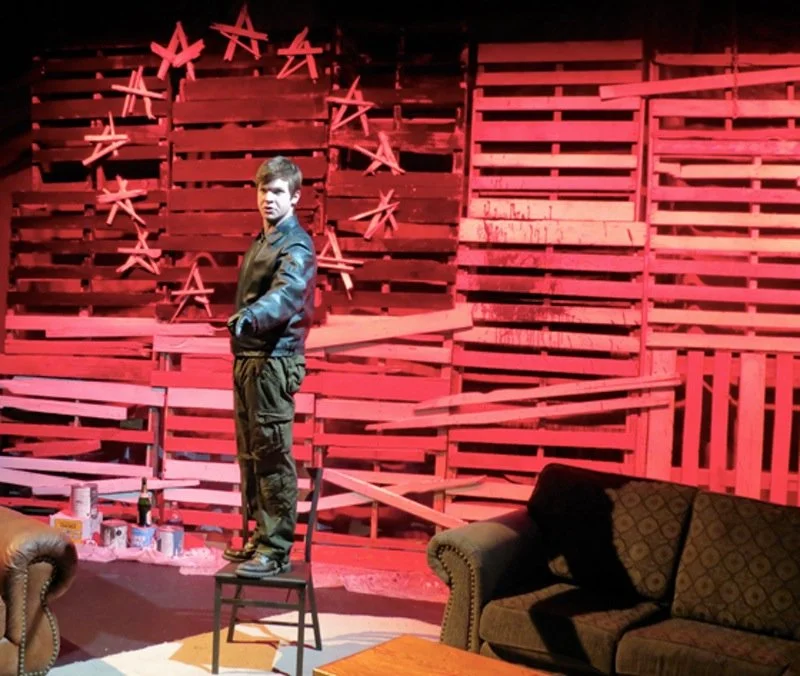
The Reagan Years
WORKHAUS COLLECTIVE | PLAYWRIGHT’S CENTER, 2015
Scenic Designer
Concept development · CAD · Spatial design · Material direction · Prototyping -
![]()
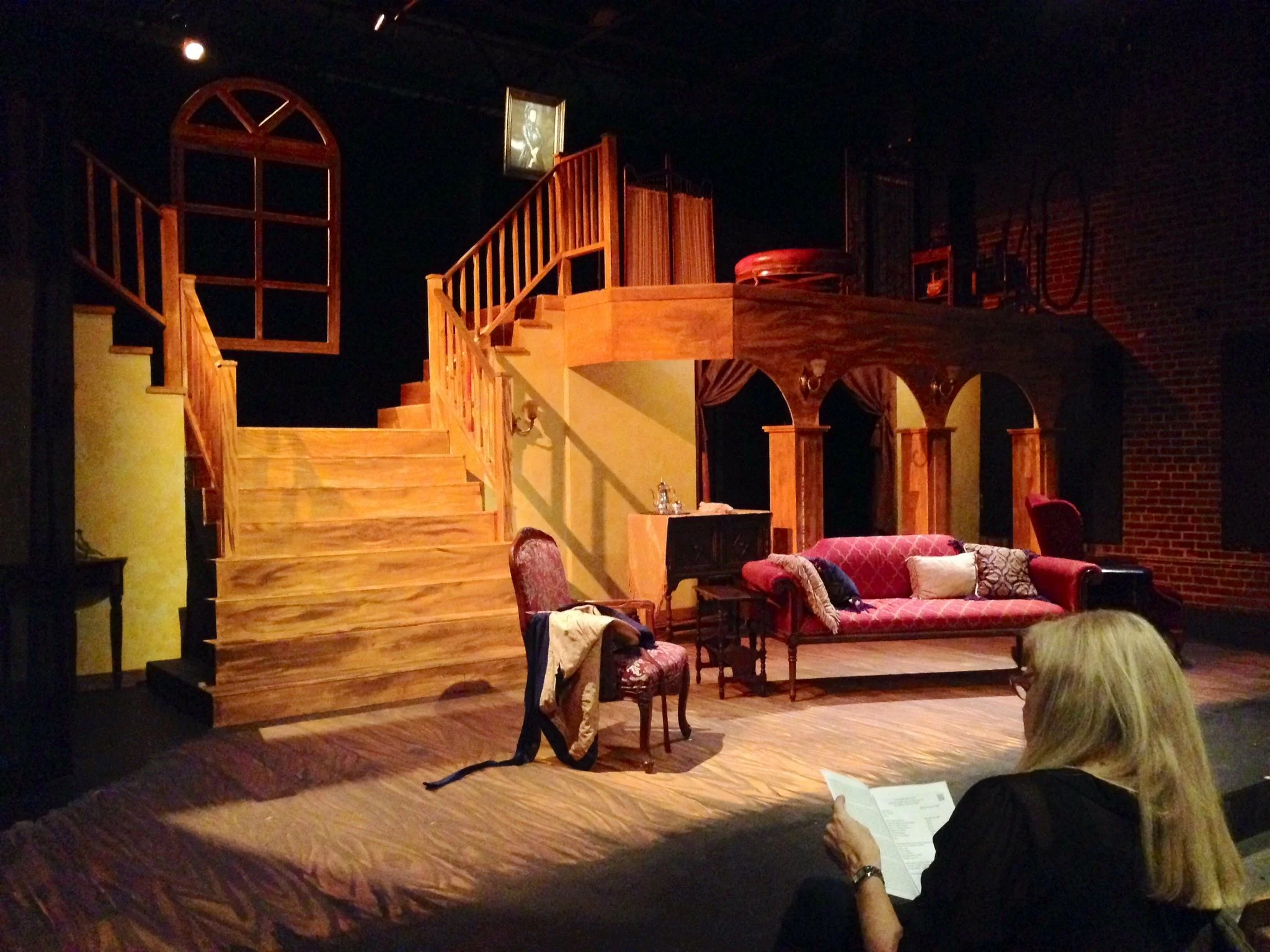
Mrs. Charles
FRESHWATER THEATRE, 2014
Scenic Designer
Concept development · CAD · Spatial design · Material direction · Prototyping -
![]()
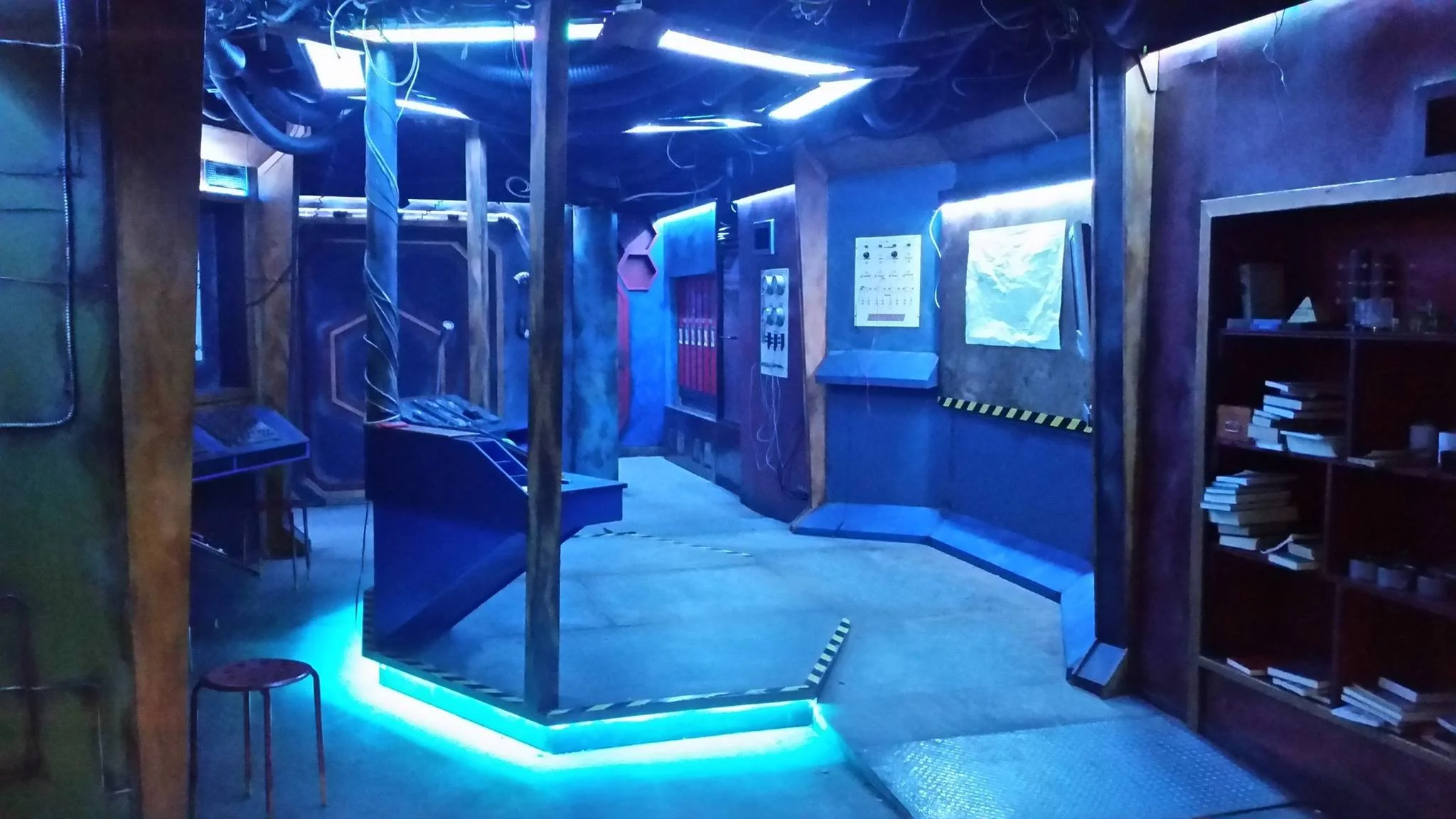
The Riddle Room - Starship Escape
MODERN ANTICS
Scenic Designer + Technical Director
Concepting · Fabrication · Prototyping · Technical dev · CAD · Production leadershipTrip Advisor | EscapeGame.com | Directed by Art Allen, featured in American Theatre.
-
![]()
Middle Brother
THEATRE MU, 2014
Scenic artist & technician
Technical dev · Fabrication · Materials & sourcing · Finishing & prototyping -
![]()
Twelfth Night
MIXED BLOOD THEATRE | THEATRE MU, 2015
Scenic Designer + Technical Director
Concepting · Fabrication · Prototyping · Technical development · Production leadership