I treat studios as living prototypes.
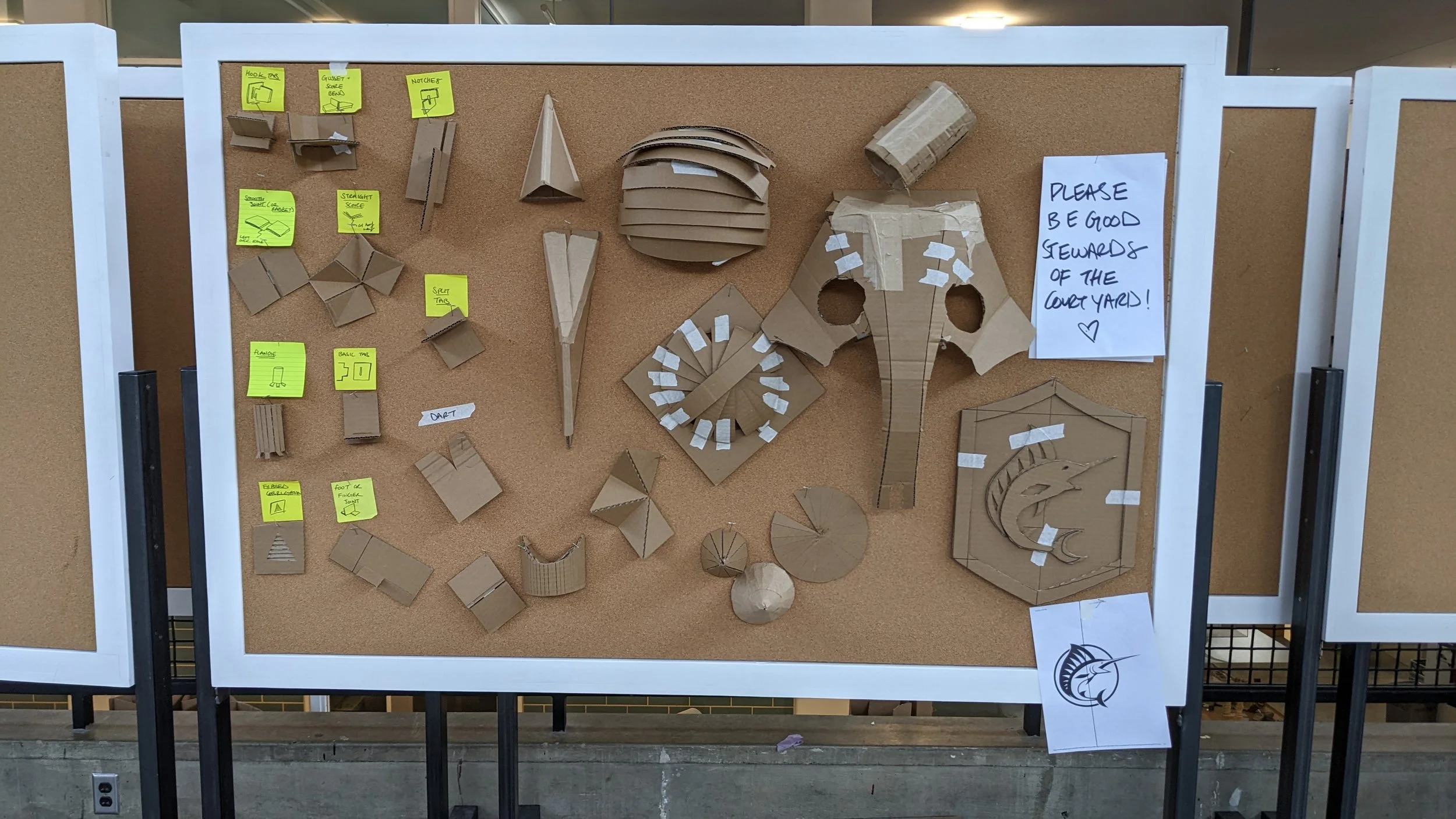
My classrooms function as living laboratories. When you walk into my learning environment, the last thing you’ll find is a traditional classroom. Curricula come alive with misbehaving materials, embodied rubrics, evolving craftsmanship, shifting concepts, and unresolved ideas. In my spaces, students come to understand that knowledge is something they actively build. Students learn by doing, think through making, and discover meaning through tangible, physical interaction with the world.
-
I am a designer, researcher, and educator who teaches students to become confident navigating ambiguity. Over seven years of collegiate teaching, I have taught across product design, prototyping, sustainability, social innovation, and interdisciplinary design. My role is to create the conditions where students can experiment, take intellectual risks, develop their own points of view, and discover what they are capable of making.
-
My teaching is grounded in progressive, experiential learning. I use prototyping, material exploration, critique, observation, and iterative experimentation to turn abstract ideas into tangible experiences. Rather than treating uncertainty as something to eliminate, I teach students to work through it, using making as a way to ask questions, test assumptions, and build knowledge.
-
My teaching has reached learners across K–12 after-school programs, undergraduate and graduate education, and community and nonprofit settings. I work especially well with emerging designers and interdisciplinary learners who are developing confidence in making, navigating open-ended problems, or learning to connect creative practice with complex social and environmental challenges.
-
My teaching spans prototyping, product design, sustainable design, social innovation, and research through design. Across these subjects, I help students connect critical thinking with material practice, moving between research, experimentation, and making to understand not only how to design, but why and for whom. Whether working with physical objects, emerging materials, food systems, or complex social challenges, students learn to use design as a tool for inquiry, exploration, and meaningful change.

Preparing designers for problems without answers
Design education is an opportunity to rehearse the futures we want to create. I prepare students not simply to solve today's problems, but to question assumptions, navigate uncertainty, and imagine possibilities that do not yet exist.
My classrooms center curiosity, experimentation, empathy, and responsibility. By giving students opportunities to confront complex social and environmental challenges through making, I help them develop the agency to see themselves not just as designers of products, but as participants in shaping the systems and communities around them.
Teaching at a glance
Collegiate courses
-
University of Minnesota; Product Design program, Fall ‘22, ‘26
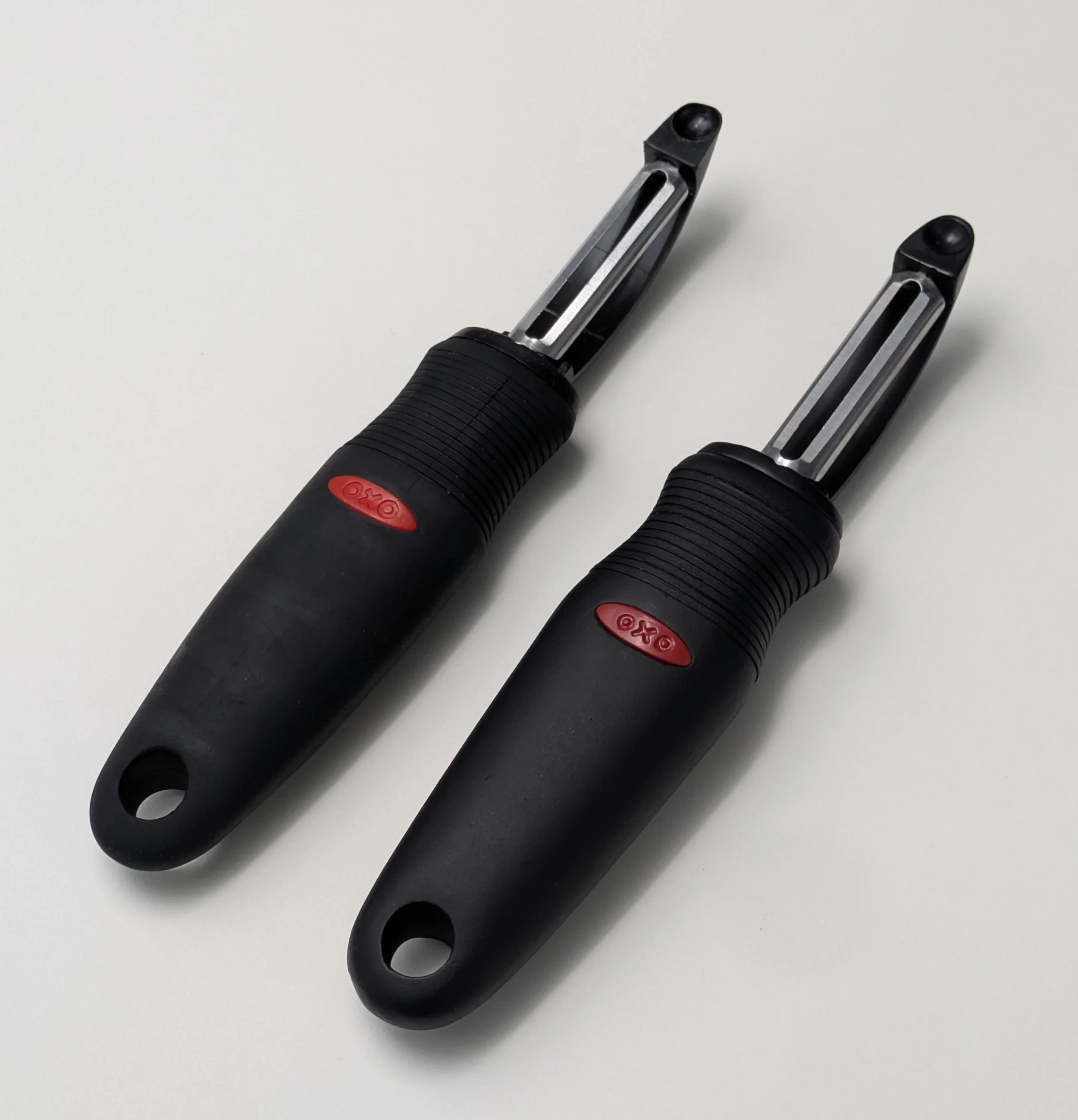
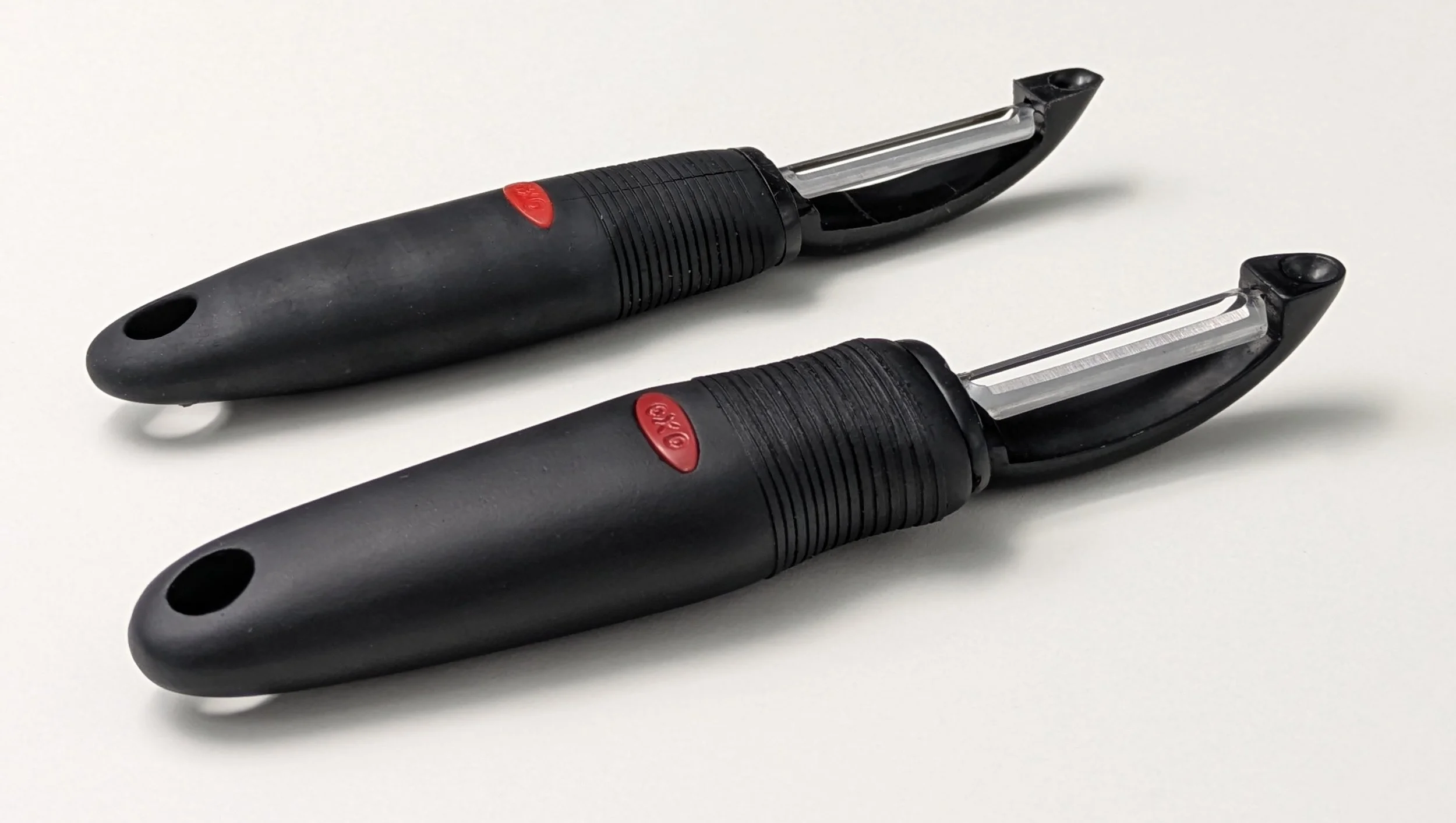
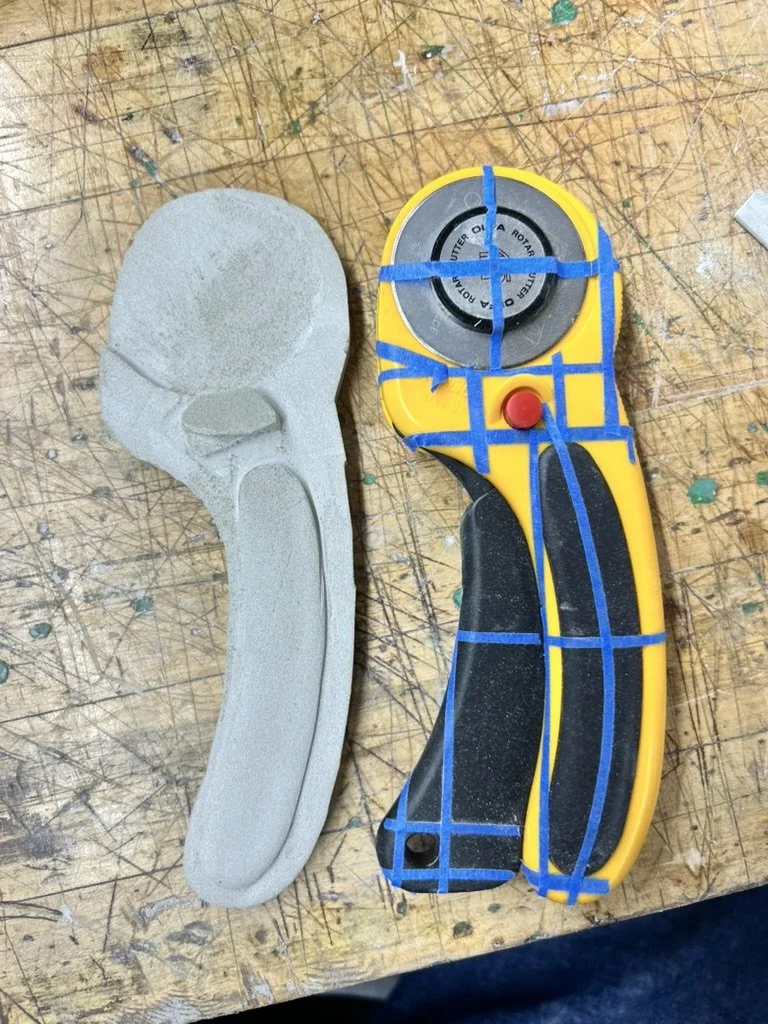
This class is a hands-on introduction to physical model making, as well as interactive prototyping tools and techniques. Through a series of projects students will gain experience of building product models with different materials and tools, and learn principles of form and function, 3D design, interactive prototyping with Arduino, and design critique.
-
University of Minnesota, Product Design program, Spring ‘23, ‘24, ‘25, ‘26
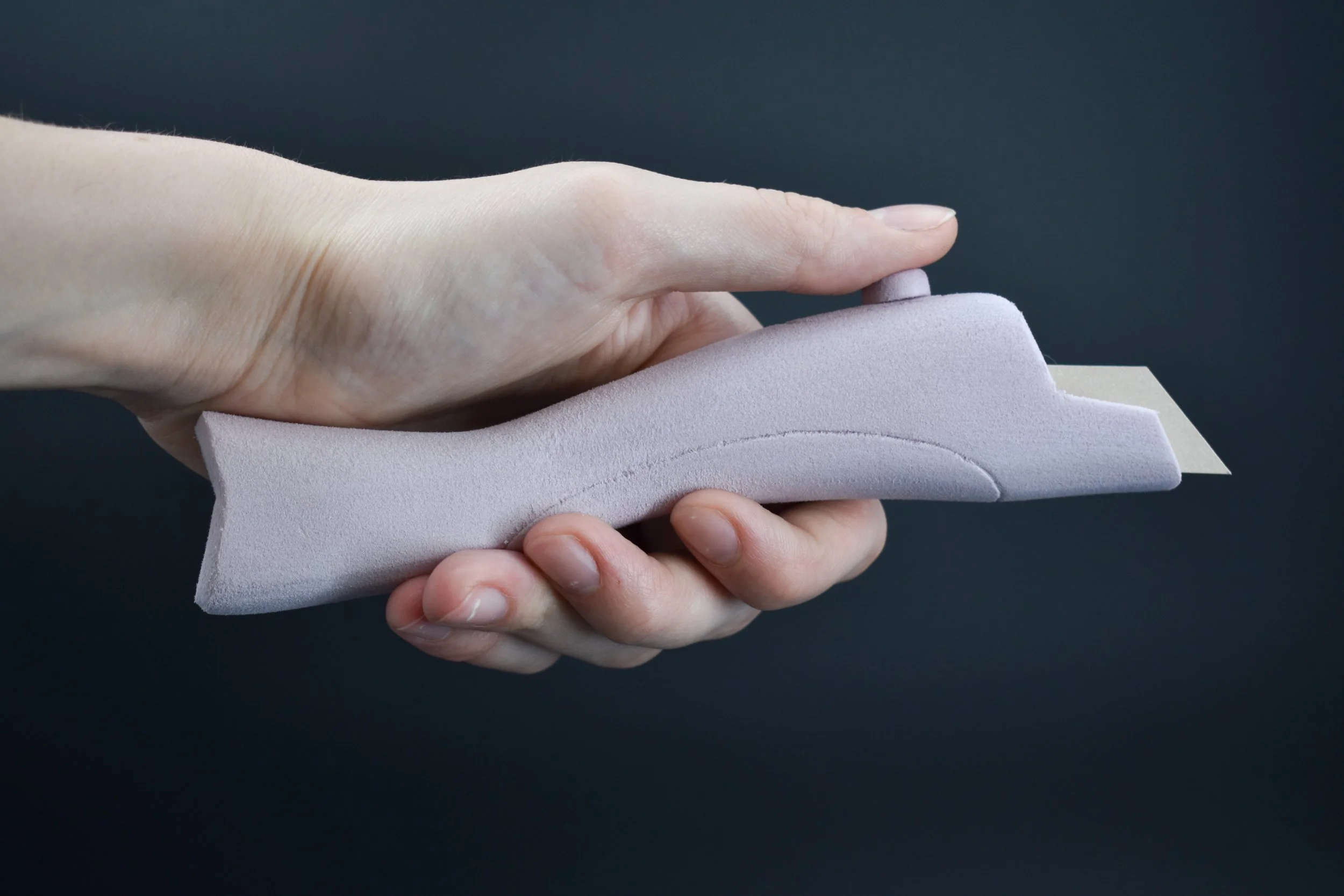
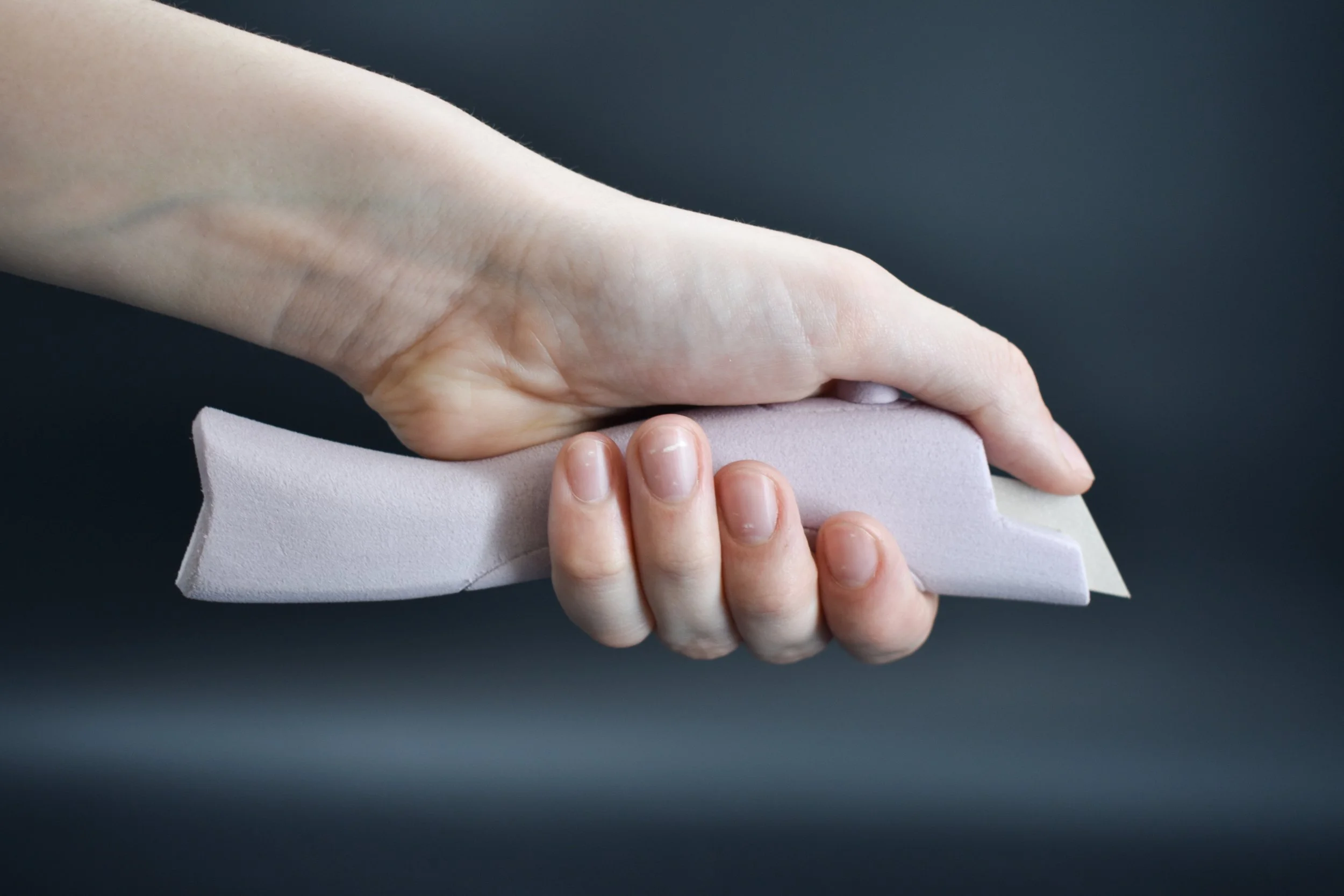
This class is a hands-on introduction to prototyping tools, materials, and techniques for product design. Students learn the basics of working with foam-board, foam, and finishing techniques to create physical models and will be introduced to different surface treatments and finishes. Assignments are designed to build a sense of craftsmanship and attention to detail. There are multiple individual and group projects focusing on different materials and techniques. Each project involves practicing oral presentation and group critique.
-
University of Minnesota, Product Design program, Spring ‘24
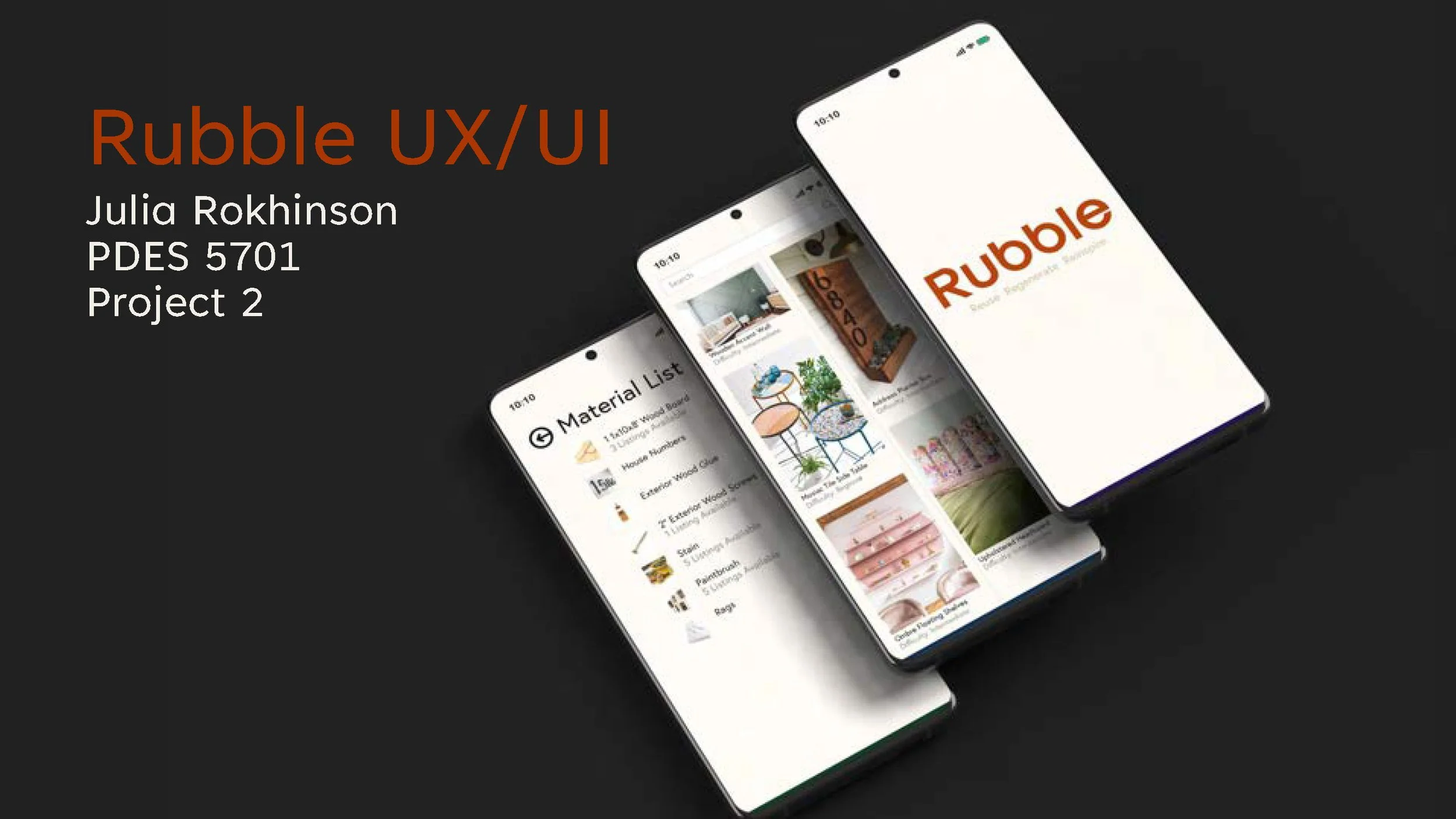
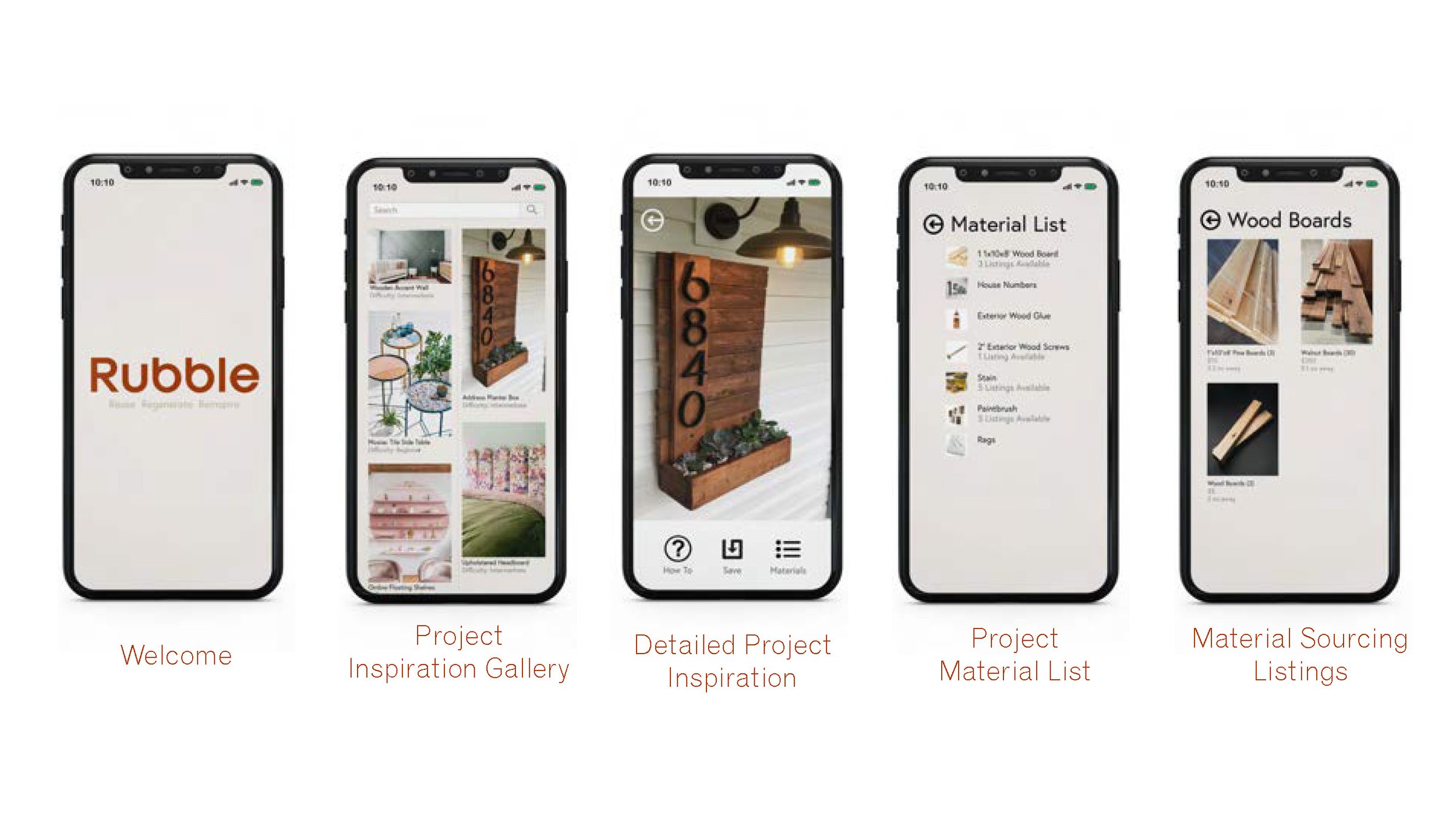
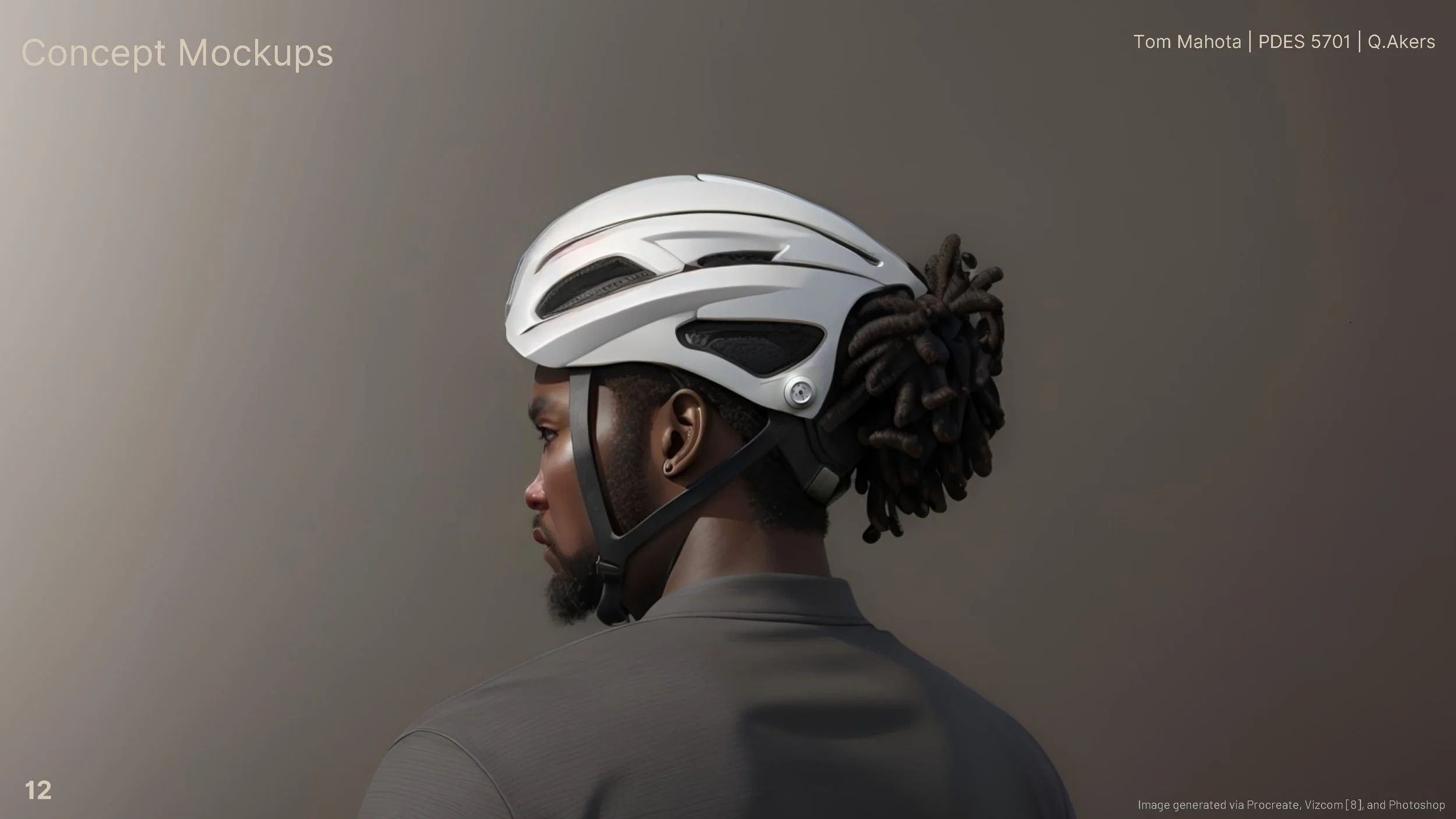
5701 User Centered Design Studio is graduate-level project-driven course where, through three separate project prompts, we will be exploring tools and methods that create and deliver value for end users in service, UX/UI, and physical product design. By the end of the semester, students gain experience across these three design disciplines, as well as a diverse set of skills across user-centered fields to add to their portfolio.
-
University of Minnesota | Lab Instructor; Design Common Core Fall ‘24
This class is an introduction to a variety of tools and methods used in developing new products, services, and experiences. The focus of the class is on the early stages of design, which includes user research, market research, idea generation methods, concept evaluation, concept selection, intellectual property, and idea presentation. Students learn the divergent and convergent design thinking process to frame problems, and generate, refine, and communicate ideas. Students work individually and in groups applying the content taught in lecture to multiple assignments and a semester-long design project.
-
University of Minnesota: Product Design program, Spring ‘22
This is the second studio course for Product Design majors at the University of Minnesota’s Product Design Program, and is a required course for the program. Studios for the UMN Product Design program work with industry partners on contemporary problems. Emphasis will be placed on physical product development using industry-standard practices. This studio will focus on physical and digital prototyping, craftsmanship, form, human factors/ergonomics, functionality, feasibility, and presentation skills. Students will be applying skills developed in PDES 3706 - Designing for Manufacture, and PDES 3704 Computer-Aided Design Methods.
This studio course is unique in its focus: students were invited to explore two projects over the course of the semester - one longer form studio project, 9 weeks, focused on Social Invisibility, Design for the Service Industry, and a shorter 5 week project, focused on Design for OCD.
-
Minneapolis College of Art and Design; Product Design department, Spring ‘21
How are today’s environmental, social, and economic demands conditioning and shaping today’s product design mindset? With a component of readings/discussions and a small component of prototyping different ideas into 3D sketches, students will generate their own questions and individual perspectives on materiality in the context of socially responsible product design. The course will have an emphasis on ecological sustainability, and will provide an overview of various sustainability frameworks in the context of product design. Systems thinking and product life cycles are presented as the basis for product, industry, and social innovation. Students explore big-picture philosophical questions and ethical concerns through specific designed objects.
-
Minneapolis College of Art and Design, Fall ‘22
In spite of the many products, services, and experiences now provided via digital devices, product designers still require fundamental knowledge of tangible materials and the means to shape them. From raw materials to finished products, students will learn to identify and understand the materials and processes used to make familiar products. In particular, the course will focus on how to design for each material and manufacturing processes (design for manufacturability).T he class includes field trips to local manufacturers, and independent research.
-
Minneapolis College of Art and Design, Summer ‘17 & ‘18
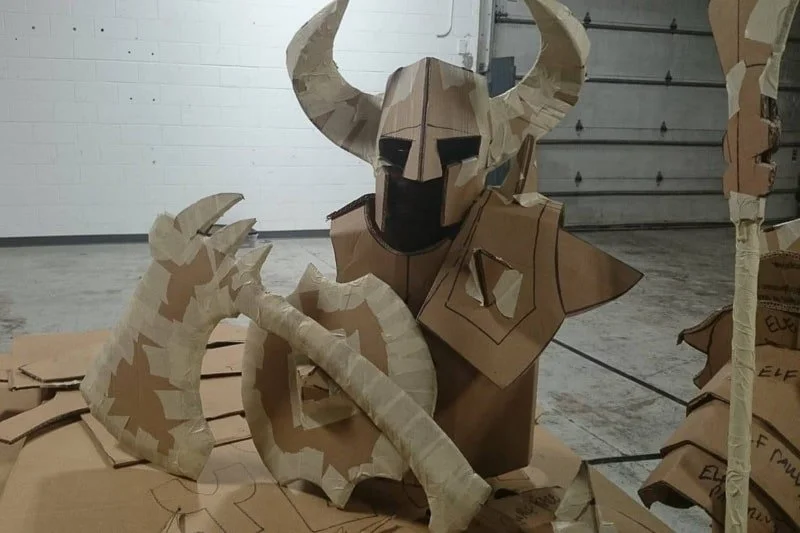
A hands on craft-based summer course designed to give students a basic understanding of metalworking applications in sculpture and furniture. Students gain a foundational understanding of welding, sculpting, and fastening, as well as an education that will allow for informed decisions about materials relevant to outdoor and light industrial applications. This is a positive working environment meant to teach and empower all levels of experience. Class structure is based on a independent, per project format: students have the ability to use core tenants of curriculum to apply it to a piece of their choosing, with check in’s to discuss works in progress throughout the course.
-
Minneapolis College of Art and Design, Summer ‘16
A hands on craft-based summer course designed to give students a basic understanding of metalworking applications in public art & sculpture. Students will learn a foundational understanding of form-giving, attachment methods, material experimentation, and materials relevant to outdoor and light industrial applications. This is a project-based, student-paced course meant to teach and empower all levels of experience.
Studios in practice
-

PD 3320 | Design for Viability
MCAD SP21
A product design course with an emphasis on ecological sustainability. Students gained an overview of various sustainability frameworks, such as circular product design, Living Product Design, and systems thinking, and applied them in the context of product design.
-

PDES 2772 | Design for Social Invisibility
UMN SP22
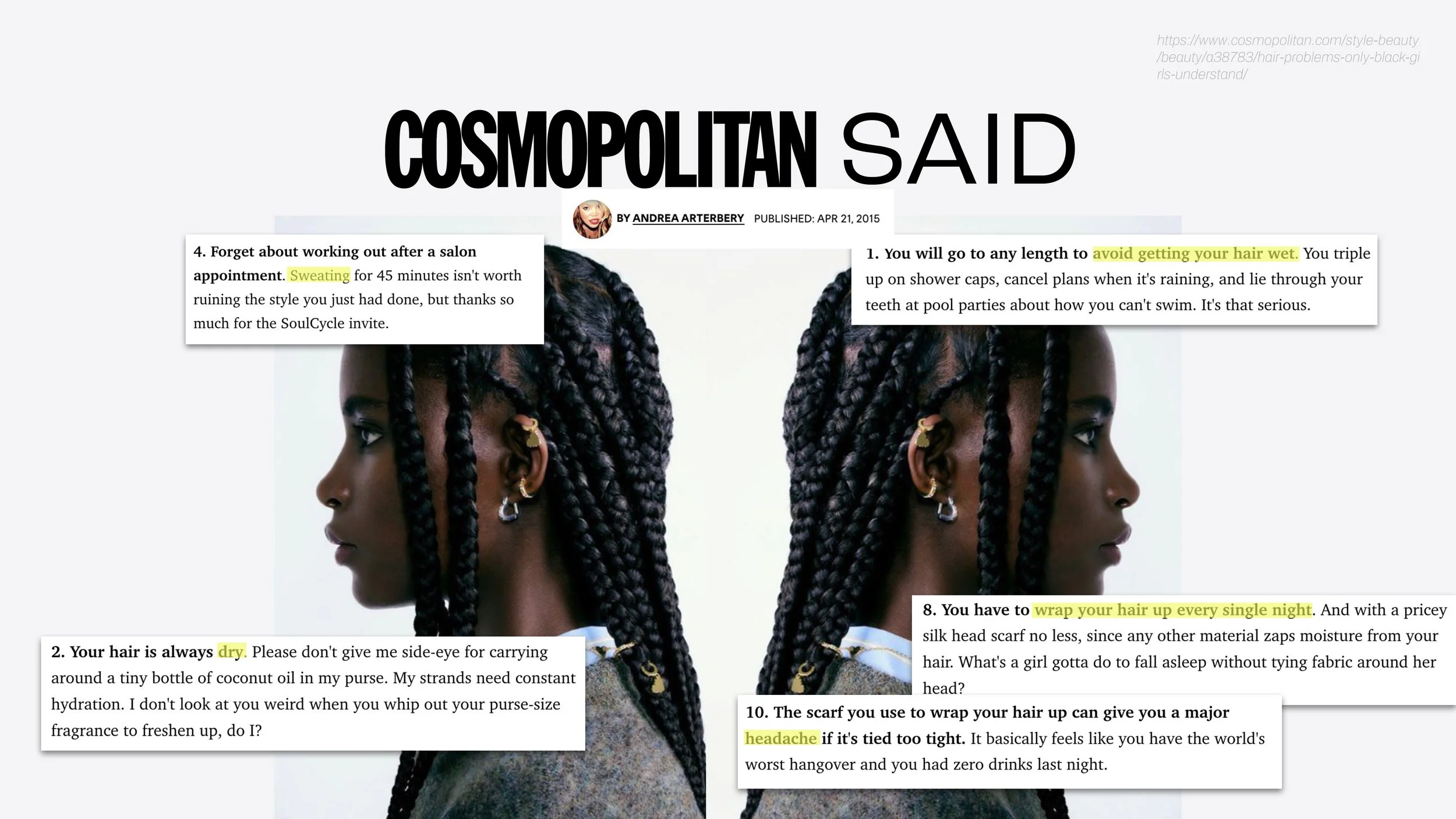
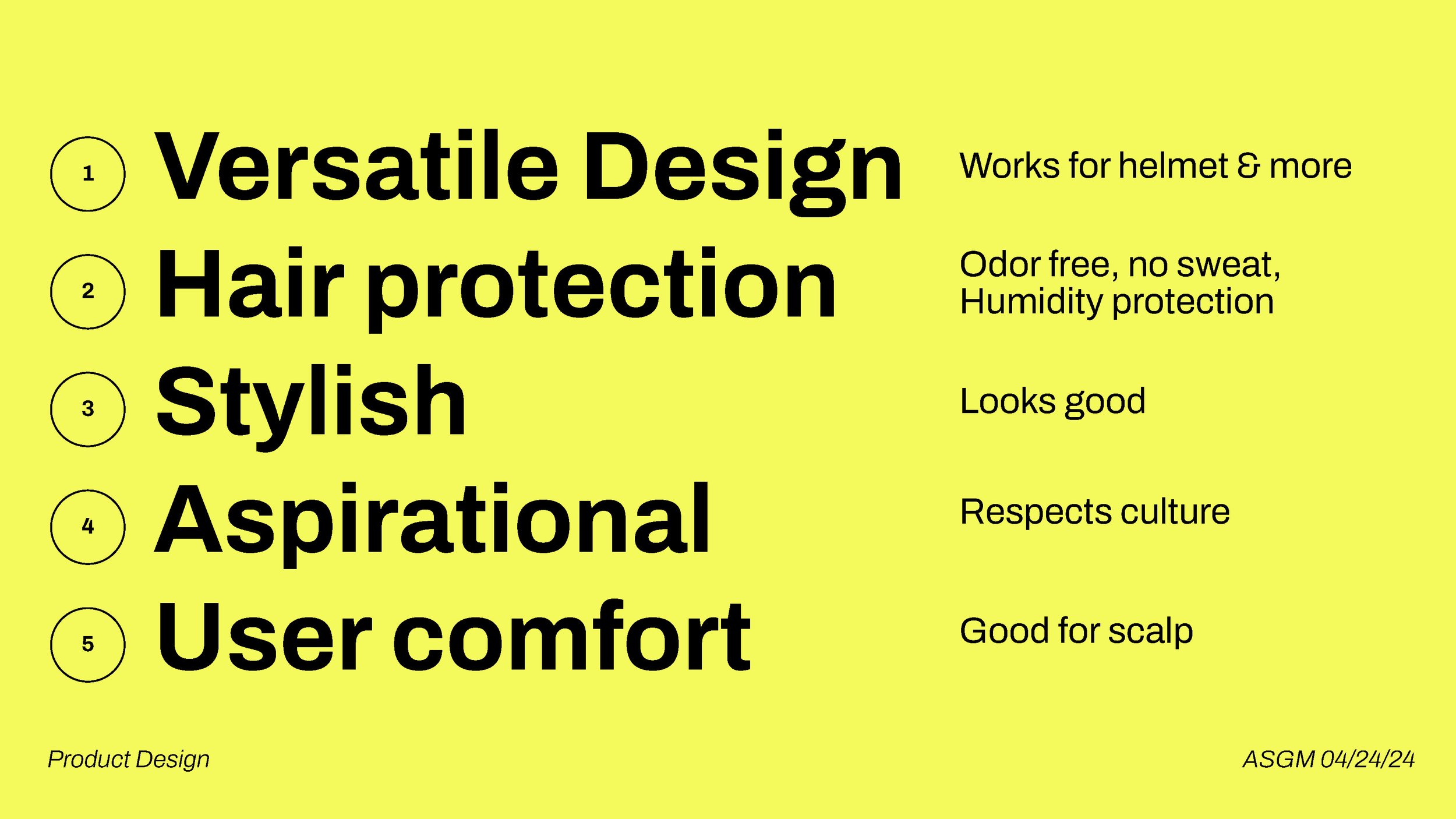
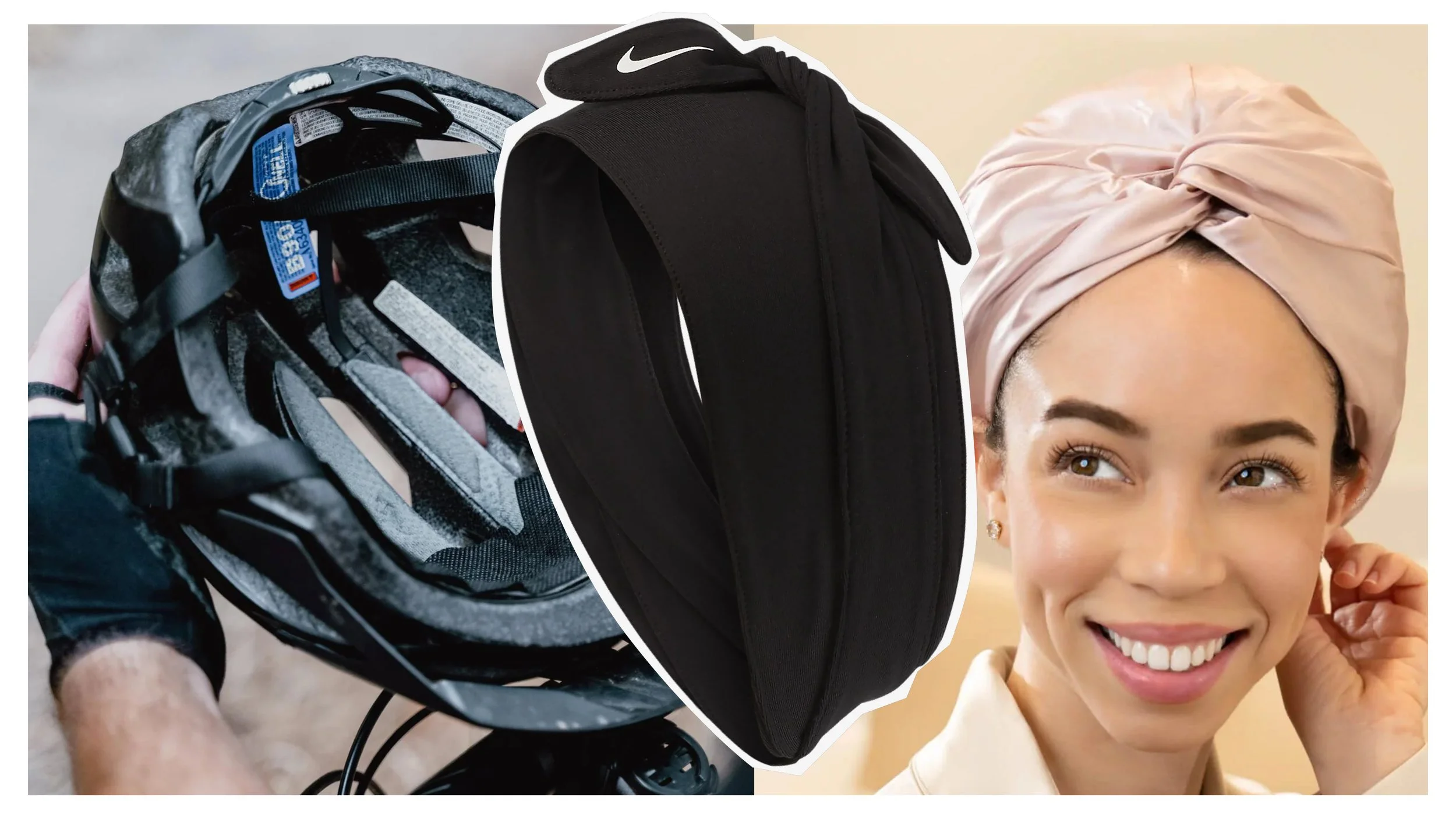
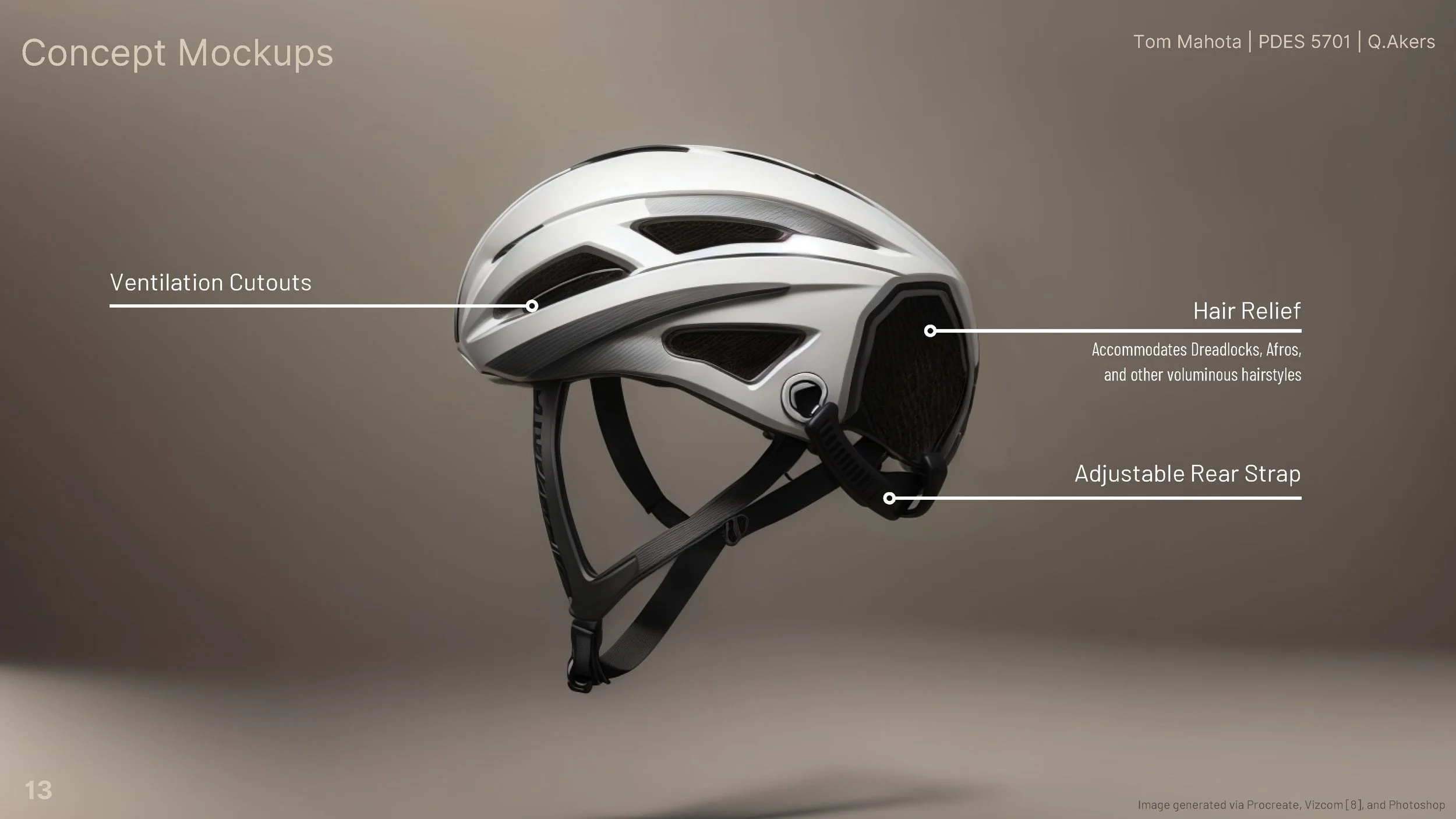
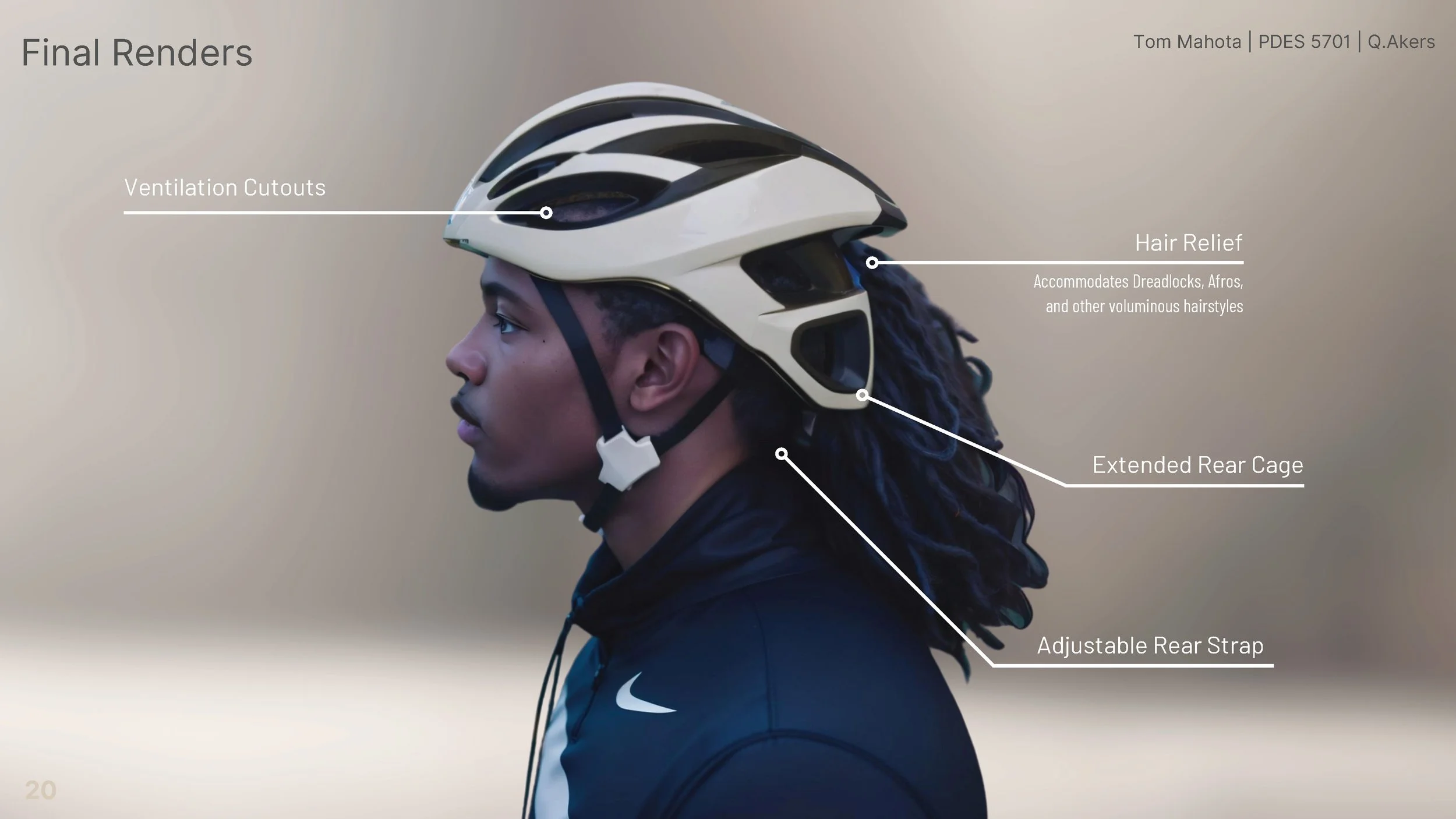
How might we design for the historically invisible and marginalized? Students in this course are asked to take into consideration pain and injury in the study of human factors and ergonomics in product design for those who work tirelessly to provide the services we’ve come to rely on for daily life.
-

PDES 2772 | Design for OCD
UMN SP22
Using their empathy and human-centered design skills, students apply what they’ve learned to designing first-of-their-kind design proposals in the treatment of youth experiencing OCD. This is the culmination of work over a 5-week sprint, using ethnographic research techniques, systems thinking, and design thinking.
The student as the expert.
I understand that many of my students will hold a perspective on the world and its increasing problems that are wholly different than mine. Often, opportunities for innovation are changing so fast due to technological advances and an ever-connected world that our approaches must become nimble to accommodate the stressors of the transition economy.

Workshops & technical clinics
What students are saying“Quynh is a very hands-on teacher, and you can tell she truly cares for each of her students. Her weekly check-ins really help me because they keep me on track and allow me to make the changes needed to better my work.”
Reviews
"I wanted to directly reach out and let you know how impactful Quynh's teaching has been for me and others. I have never met a teacher more empathetic and inspiring than Quynh."
Student - University of Minnesota | PDES 2772, Spring 2022“Just want to extend a huge THANK YOU for this semester. Your studio course was by far the most valuable I’ve encountered in the program and easily my favorite, as well. Your energy, curriculum, knowledge, and support made this class incredibly successful."
Student - University of Minnesota | PDES 2772, Spring 2022“Quynh was always very supportive and well–prepared. She clearly defined expectations and treated everyone with the utmost respect.”
Student - University of Minnesota | PDES 5703, Fall 2024“This was one of my favorite classes. The assignments were very reasonable, and Quynh always gave really good feedback that helped me grow as a designer and prototyper. I appreciate that she gave us a lot of work time and that she was willing to change the deadlines when she saw that we needed more time. I would recommend this class to other students.”
Student - University of Minnesota | PDES 5703, Fall 2024